 businessnews.ie

In this issue
-
s Sponsored
Ireland needs to be prepared for a bioeconomy if people want low carbon future
Getting Ireland’s population and workforce up to scratch on sustainability practices and technology eases the transition into a bioeconomy and a carbon-neutral future. Developing a robust bioeconomy that supports circularity requires preparing society and the workforce for sustainable changes. “It’s a very broad, combination of actions,” says Professor Nick Holden. “It’s not only the technology...
-
s Sponsored
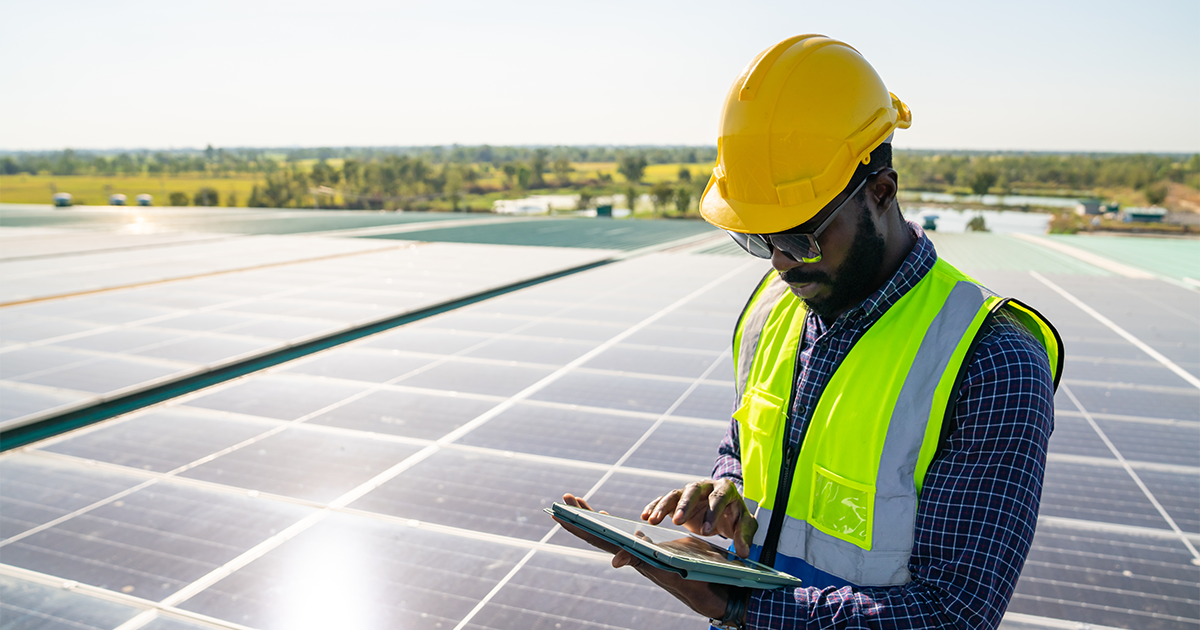
How we can replace fossil fuels fast on Ireland’s decarbonisation journey
The need to decarbonise is increasingly urgent, and a joined-up approach can secure a greener future for All-Ireland. Declan Meally — Director of Business, Public Sector and Transport at the Sustainable Energy Authority of Ireland (SEAI) — explains that when it comes to carbon emissions, the ‘Three F’s’ are key: farm animals, fertiliser and fossil...
-
A guided five-step plan to help organisations on their circular transition journey
Getting started on the journey towards a circular economy can be daunting, and many organisations don’t know where to start. However, there is a five-step process that can help. CIRCULÉIRE is Ireland’s first circular innovation network, led by Irish Manufacturing Research (IMR). They support the industry on its transition towards circularity, reducing waste and associated...
-
s Sponsored
Compostable bioplastics help food businesses move to circular packaging
Innovations in compostable bioplastics can help food businesses to remove traditional plastics from shelves in support of the circular economy. Compostable bag producer BioBag has, for example, partnered with Molloys Butchers in Ardkeen Waterford to launch the first bioplastic cling film. It is an entirely compostable, commercial-grade alternative certified for disposal in domestic food waste...
-
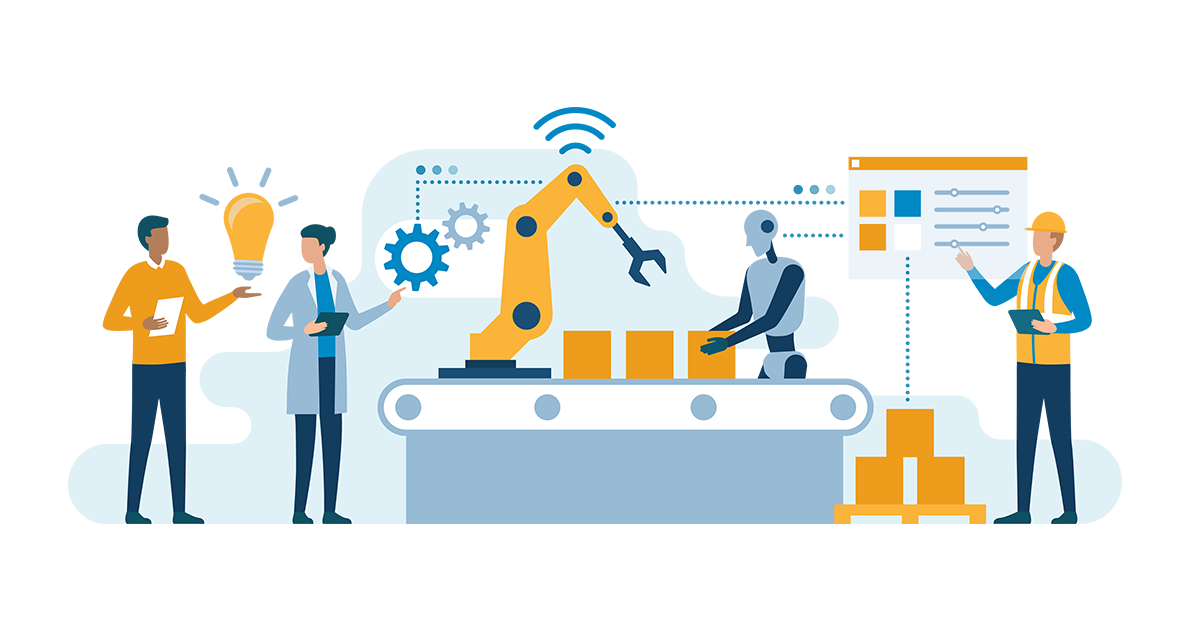
Industry 5.0 is key to circular economy and business success
Digitisation and Industry 5.0 is enabling businesses to rethink the design and manufacture of products to keep them in use in the economy. Through digitisation, data exchange systems can be implemented to monitor and understand the life cycle of products with insights for circular design as well as greater resource productivity in manufacturing. Data availability...
-
s Sponsored
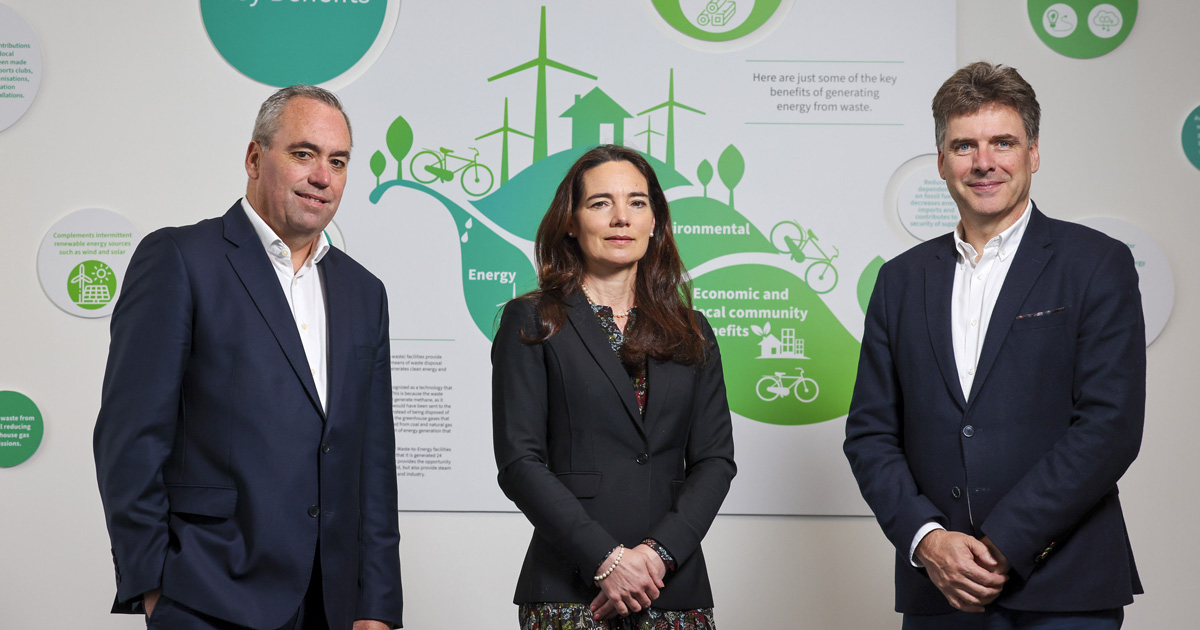
Waste-to-energy: powering the circular economy by taking us closer to zero waste
The traditional approach of landfilling waste is no longer sustainable. Waste-to-energy technologies offer a better way of turning waste into a valuable energy resource. Ireland faces waste management challenges due to its growing population, limited landfill space and EU waste management targets. Our goal is to achieve a zero-waste and circular economy. However, we must...
-
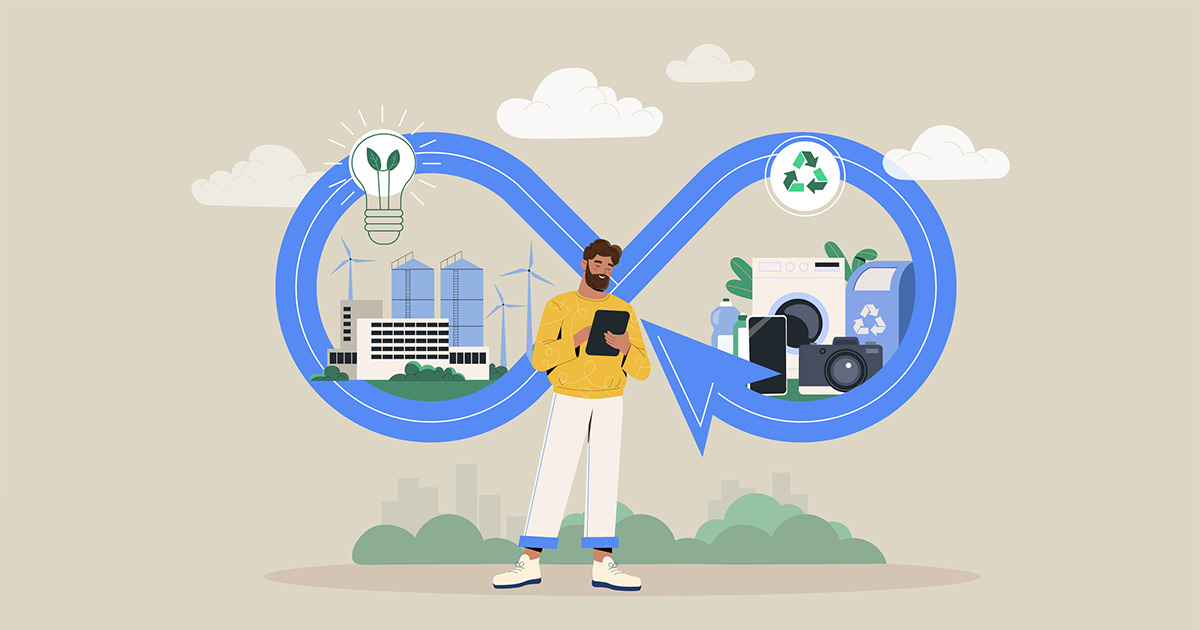
How the Circular Economy Programme is enabling a more resourceful Ireland
The Circular Economy Programme drives Ireland’s move to a circular economy — where businesses, citizens and the public sector reduce resource use, prevent waste and achieve sustainable economic growth. The Environmental Protection Agency (EPA) delivers Ireland’s Circular Economy Programme. The Programme has a broad range of activities — producing national statistics; leading the national food...
-

Incentivised waste segregation will soon cut costs for Irish businesses
From July 2023, big changes are on the way for Irish businesses, as incentivised waste segregation will come into effect for commercial waste. Minister for the Environment, Eamon Ryan, has signed new legislation green-lighting the move, which will soon see businesses operating similarly to residential properties when it comes to waste segregation. A staggering 70%...
-
s Sponsored
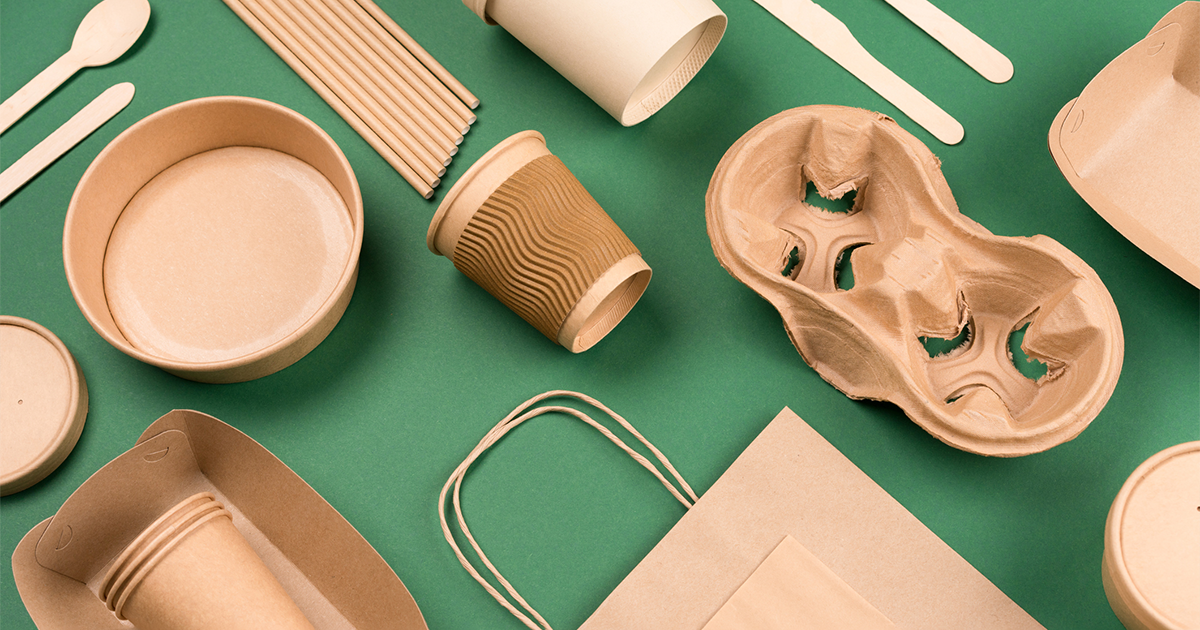
How to make packaging more sustainable with a paper-based option
Swapping plastic packaging for paper packaging should be on everyone’s agenda because it’s better for businesses, consumers — and the environment. In 2015, at the Paris Climate Conference, then-US President Barack Obama reminded the audience: “We are the first generation to feel the effect of climate change — and we are the last generation that...
-

Grow a sustainable business by embracing the circular transformation
Organisations that embark on circular transformations and create more adaptable operating and business models will be better positioned to prosper, even in times of disruption, while contributing to sustainable growth. With an ever-changing landscape in the global economy, industrial companies are forced to rethink their use of resources and contribution to economic growth. Circular transformation...