 businessnews.ie





In this issue
-
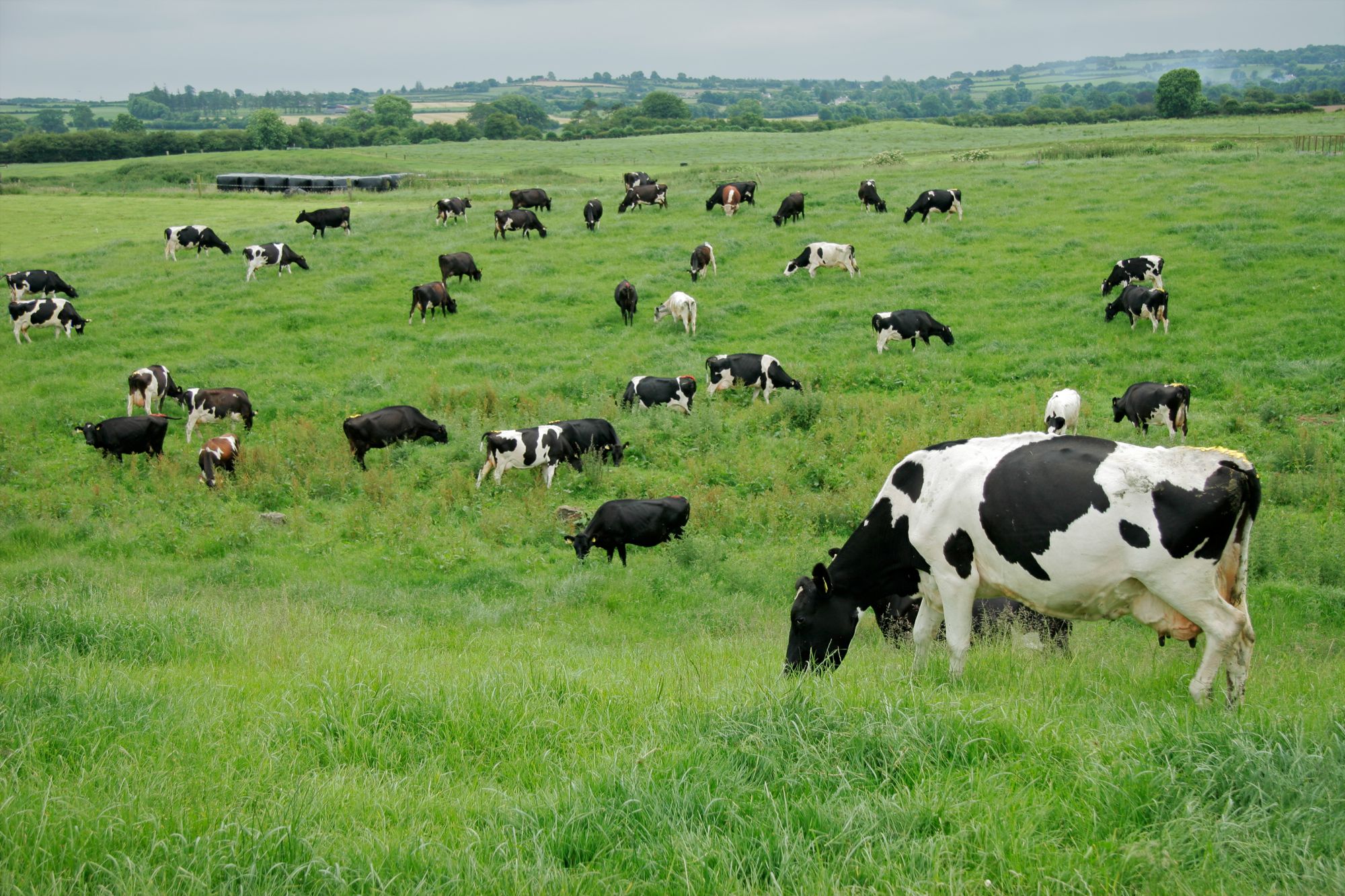
Irish dairy sector charts ambitious route to a greener future
Dairy Sustainability Ireland (DSI) has unveiled a comprehensive strategy to secure the future of the nation’s unique grass-based, family farm production system. Outlined in the recently published “DSI: A Pathway for Sustainable Dairy,” the initiative articulates a clear commitment to producing safe and nutritious dairy products in a viable manner, while protecting and enhancing the...
-

New EU rules aim to curb greenwashing without creating unnecessary waste
The European Union’s drive towards a more sustainable, circular economy takes another step forward when new rules under the Empowering Consumers for the Green Transition (EmpCo) Directive take effect on 27 September 2026. A core element of the European Green Deal, the legislation is designed to make environmental claims more accurate and trustworthy, giving consumers...
-
From curiosity to capability: how AI powers sustainable small business growth
Building a sustainable business requires balancing long-term viability with daily operational efficiency. AI is emerging as a critical tool to achieve this balance. An era of burdensome regulations and time-consuming administration leaves many business owners very time-poor.According to recent Small Firms Association (SFA) research, 56% of small firms already use technology to automate simple tasks,...
-
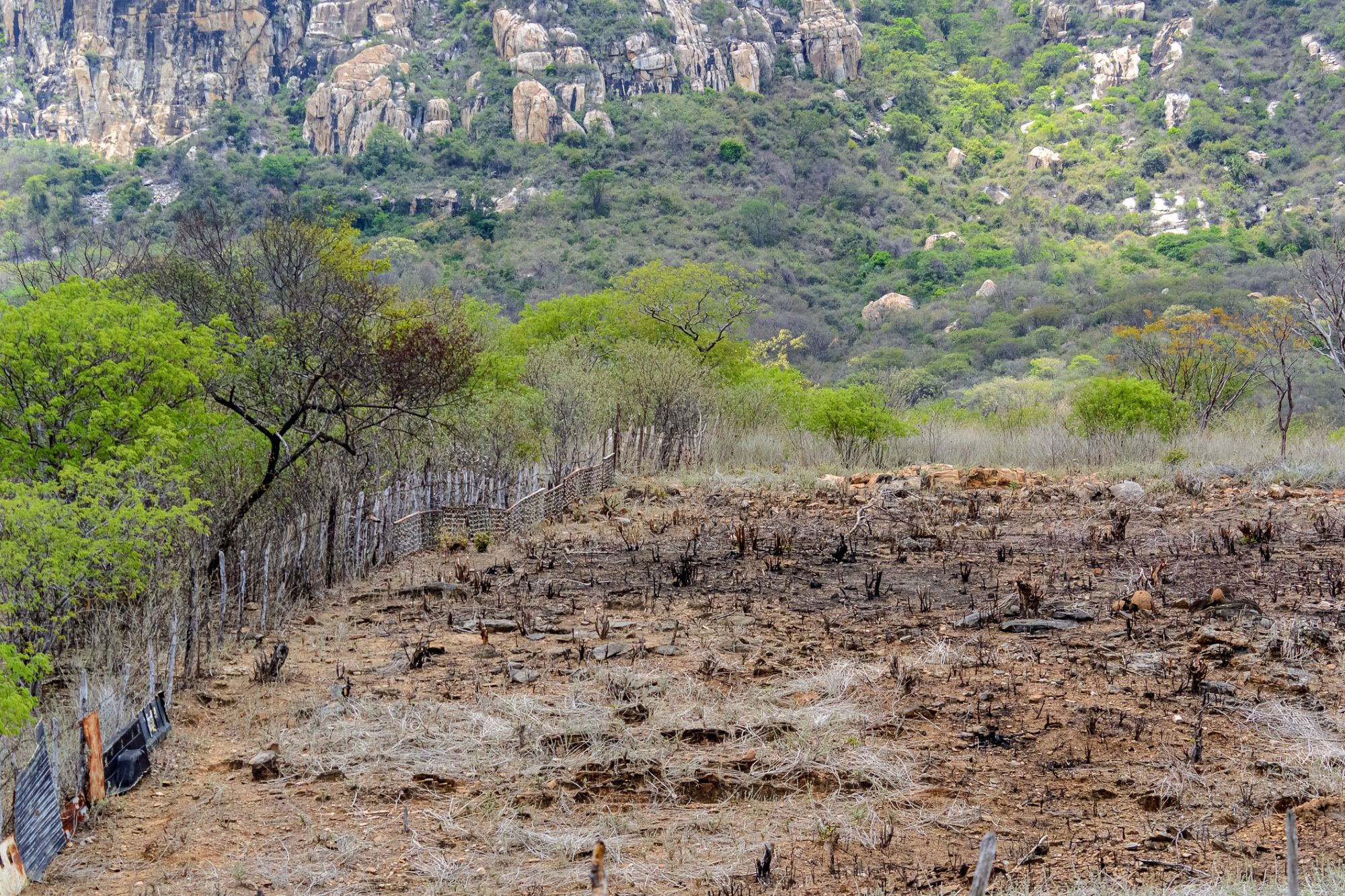
Why biodiversity loss is now a business risk
Biodiversity loss is a business risk, affecting every sector and supply chain, alongside climate risk. Now, we have an opportunity to build a more resilient, nature-positive model. The World Economic Forum (WEF) Global Risks Report 2026 consistently ranks biodiversity loss as one of the top 10 risks we face, and it must be tackled in tandem with climate...
-
Turning CSRD compliance into competitive advantage for Irish logistics
As businesses prepare for the Corporate Sustainability Reporting Directive (CSRD), attention is increasingly turning to Scope 3 emissions – the indirect emissions generated throughout a company’s value chain. For many organisations, transport and logistics represent a significant proportion of their carbon footprint, making collaboration with freight operators essential to achieving meaningful emissions reductions. The challenge...
-
Sustainability certification that can help SMEs move beyond compliance
As companies seek to decarbonise and become more inclusive, they search for structured frameworks and accreditation to demonstrate their commitment to sustainability to their customers, employees and investors. The Business Working Responsibly Mark (Mark) is Ireland’s leading standard for Economic, Environmental, Social and Governance (EESG) performance. Administered by Business in the Community Ireland (BITCI) and...
-

Retail compliance steps under PPWR
As the EU Packaging and Packaging Waste Regulation (PPWR) takes effect, Irish retailers face a new era of circular economy mandates. The EU PPWR marks a major shift in Europe’s approach to packaging sustainability, introducing significant new legal obligations for Irish retailers. Many packaging measures that were previously considered best practice will now become mandatory...
-

Practical framework shows exactly what modern businesses need to survive
Discover new standards that will allow your business to thrive in today’s landscape, underpinned by governance, accountability, human rights and more. For Irish businesses navigating economic uncertainty, geopolitical instability, climate disruption, talent shortages and evolving EU regulation, one thing is clear: the businesses best equipped for the future won’t simply react well to change; they’ll...
-

s Sponsored
Putting sustainability leadership in the right hands
For executive teams, appointing the right sustainability lead has become a strategic decision rather than an operational one, and it comes down to finding the right fit. Sustainability now shapes strategy, investment, risk, and reputation, so it needs clear ownership at the top. “The challenge isn’t always having the data or understanding what needs to...
-

s Sponsored
The sustainability blind spot facing businesses
Green skills are often associated with specialist roles, but delivering a successful transition will require new knowledge, skills and mindsets for all the workforce within organisations. Amid new renewable energy and sustainable technologies, there is one part of the green transition that risks being overlooked: workforce capacity and competences. Businesses can invest in cleaner technologies...