businessnews.ie
Ronan Power
CEO, Solar Ireland
Ireland has spent years asking how we can build more renewable electricity. We now need to ask a harder question: how do we make every unit of clean power more valuable?
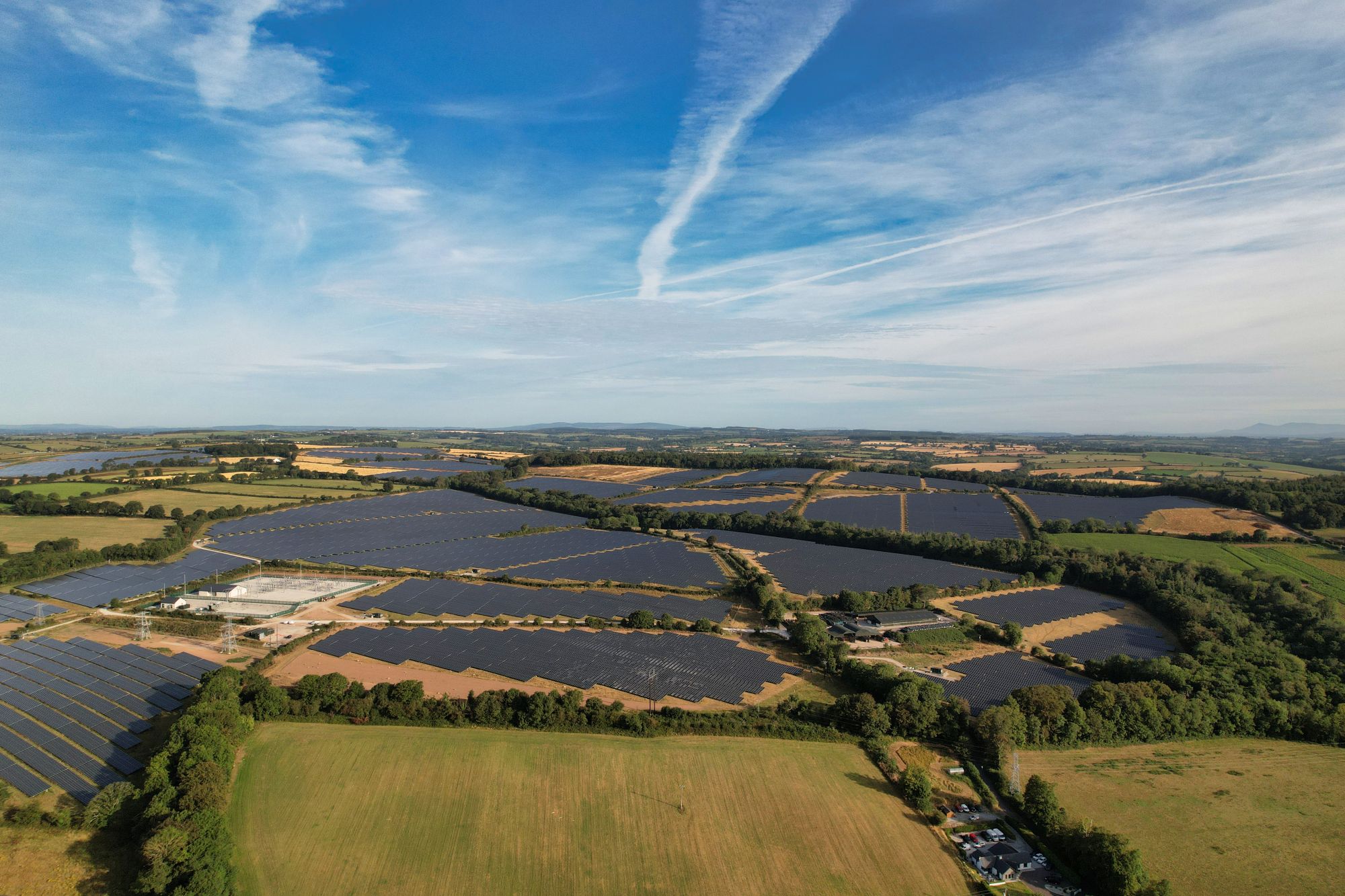
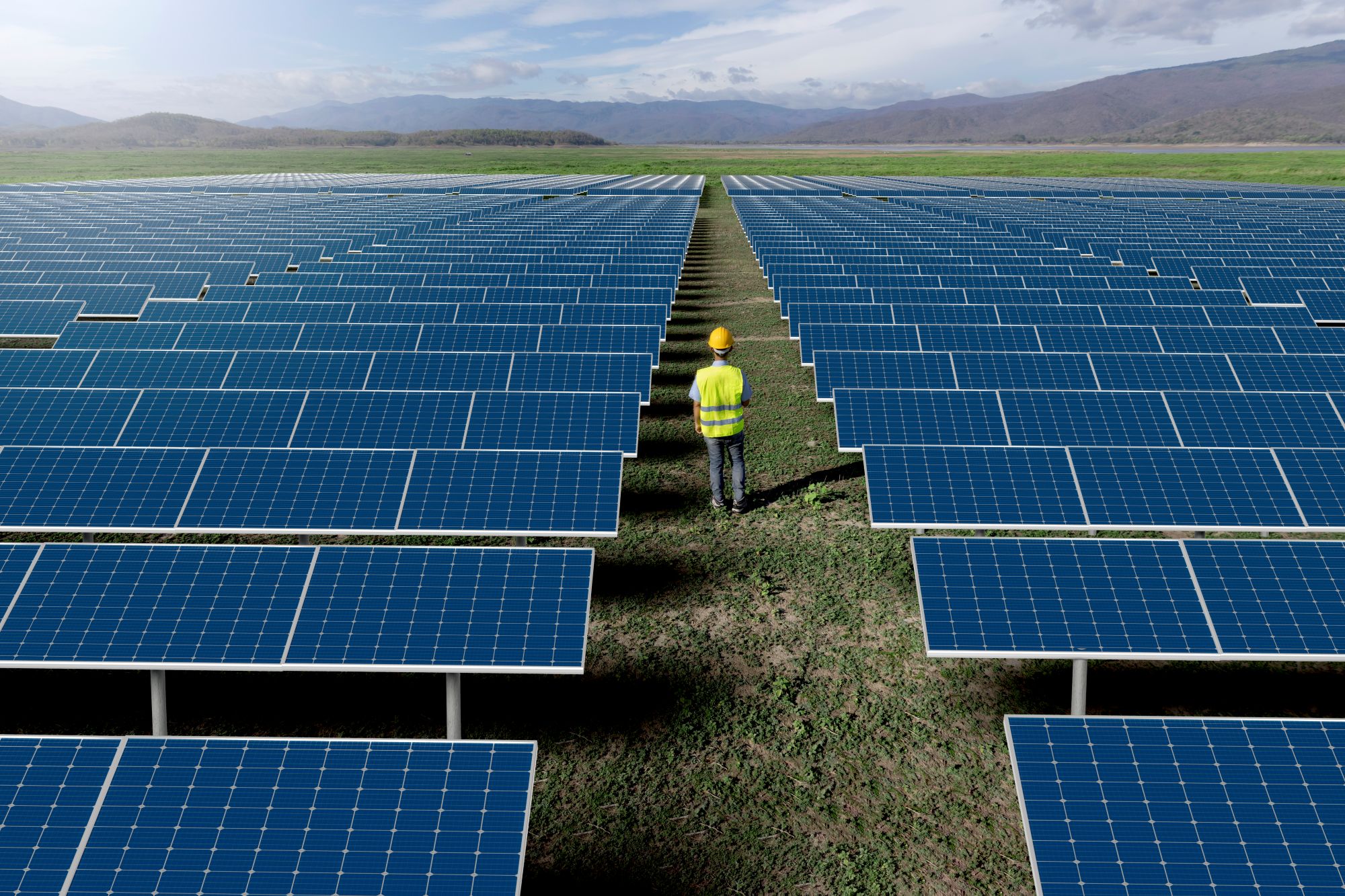
Solar is growing rapidly. Ireland now has 3 GW connected and rooftop systems on more than 195,000 homes. At peak output, utility-scale solar has supplied more than one-third of Ireland’s electricity demand. This success also changes the challenge.
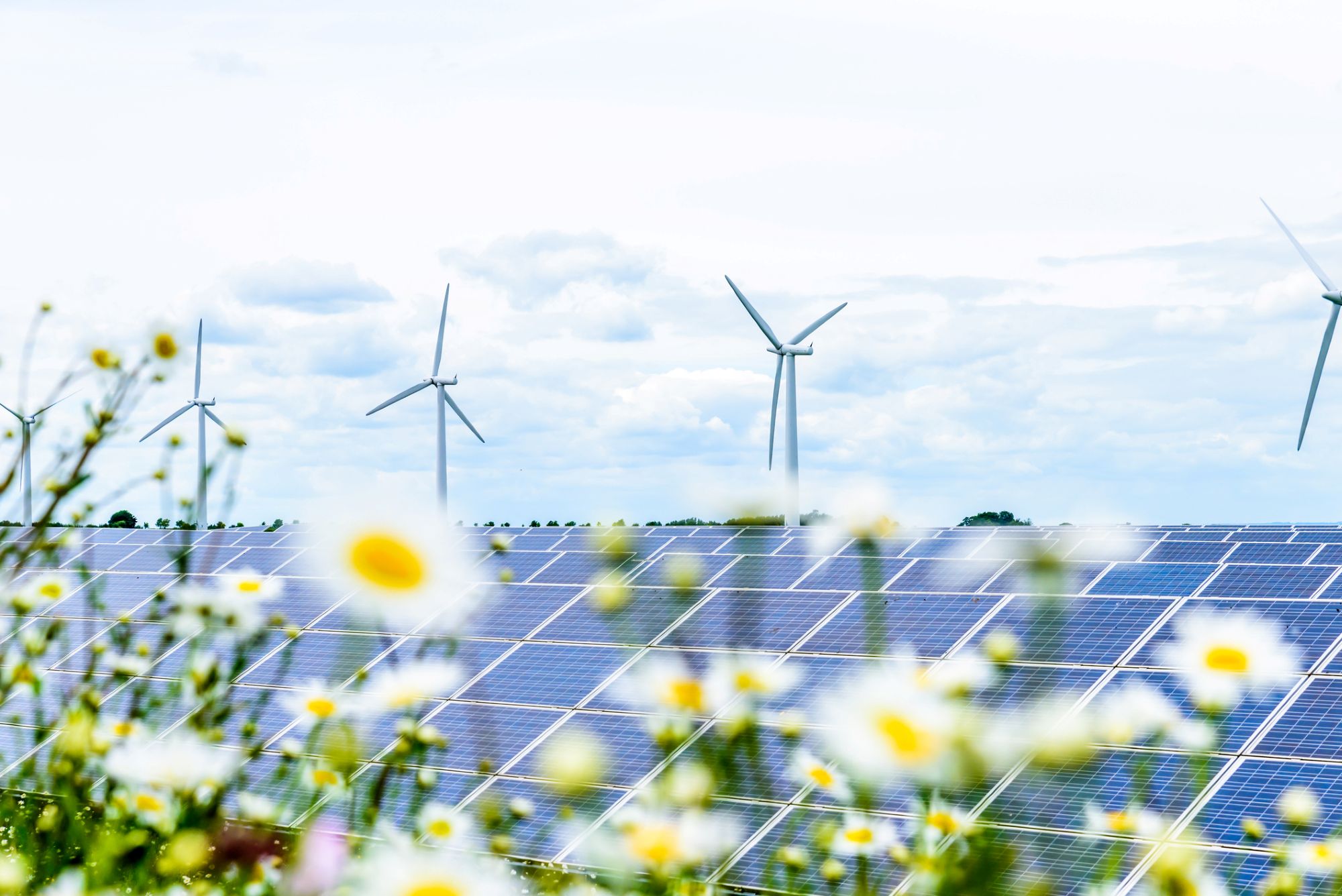
Solar generation is concentrated during daylight hours, while electricity is needed around the clock. As more solar connects, the value of timing, flexibility and coordination grows. The future of energy is generation integrated with storage, flexible demand and a grid designed to connect them. Three shifts will determine whether Ireland captures the full value of its solar growth.
Maximising solar’s value
First, we must move from generation-only thinking to solar plus storage. Batteries can absorb electricity when solar production is abundant and release it when demand rises or the system needs support. This reduces renewable energy lost through constraints, helps manage peaks and allows solar to serve the system beyond daylight hours.
Second, we must connect clean supply with flexible demand. Businesses can schedule suitable energy-intensive activity when renewable electricity is plentiful. Electric vehicles, heat pumps and smart buildings can respond to price and system signals. Homes, farms and commercial sites can generate, store and manage more of their own power. Consumers become active participants rather than the final point in the chain.
Third, Ireland must replace fragmented decision-making with whole-system planning. Grid development, planning, renewable auctions, storage policy and market design are still too often treated separately. Yet, a solar farm awaiting a connection, a battery facing unclear market signals and a business seeking clean power are different parts of the same system challenge.
Ireland now has 3 GW connected and rooftop systems
on more than 195,000 homes
Making clean energy work
Getting this right has consequences beyond climate targets; it affects energy security, electricity costs and Ireland’s ability to attract and retain businesses that increasingly require reliable clean power. It can also support rural incomes, skilled employment and greater community participation in the transition.
These questions will be central to Renewable Energy Expo Ireland at the RDS on 21 and 22 October. Jointly delivered by Solar Ireland, Wind Energy Ireland and Energy Storage Ireland, it will bring together the sectors that must solve them.
Solar capacity is arriving. Now, the system must catch up. The prize is a more secure, competitive, and resilient Ireland, with clean energy working harder for homes, businesses and communities.