businessnews.ie


Kevin O’Donovan
Senior Vice President, Statkraft
Ireland has set itself the task of reaching 80% renewable electricity by 2030. This ambitious target is essential to reducing emissions, strengthening energy security and protecting consumers from volatile fossil fuel prices.
A gap remains between Ireland’s ambition and the infrastructure needed to deliver it. One of the most significant elements in bridging that gap is long-duration energy storage (LDES).
Role and benefits of long-duration energy storage
Discussions about the energy transition often focus on building wind and solar farms and electricity networks. These developments remain crucial, but as renewable generation increases, the challenge is no longer producing clean electricity. We must also ensure that it can be used when consumers need it.
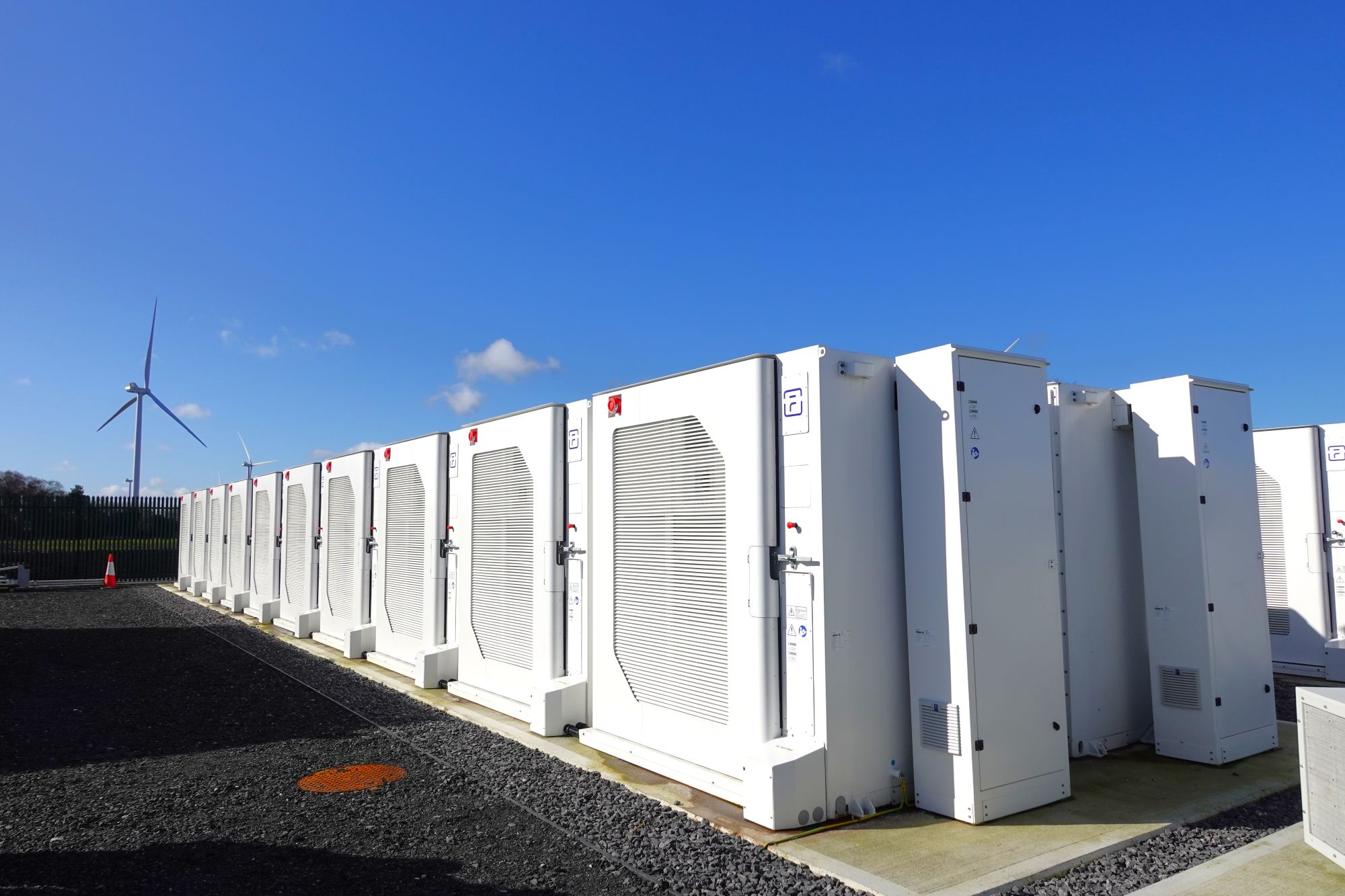
LDES such as battery storage are highly flexible assets and add significant value to an islanded grid network operating on high levels of renewables. LDES can store electricity during periods of high generation and release it when output falls, matching consumer demand. It can also reduce the curtailment of renewable energy, improve grid stability, strengthen security of supply and enable much higher levels of integration of renewables. LDES is not an optional add-on; it will be a keystone to Ireland’s ability to achieve its climate goals.
Reducing renewable energy waste
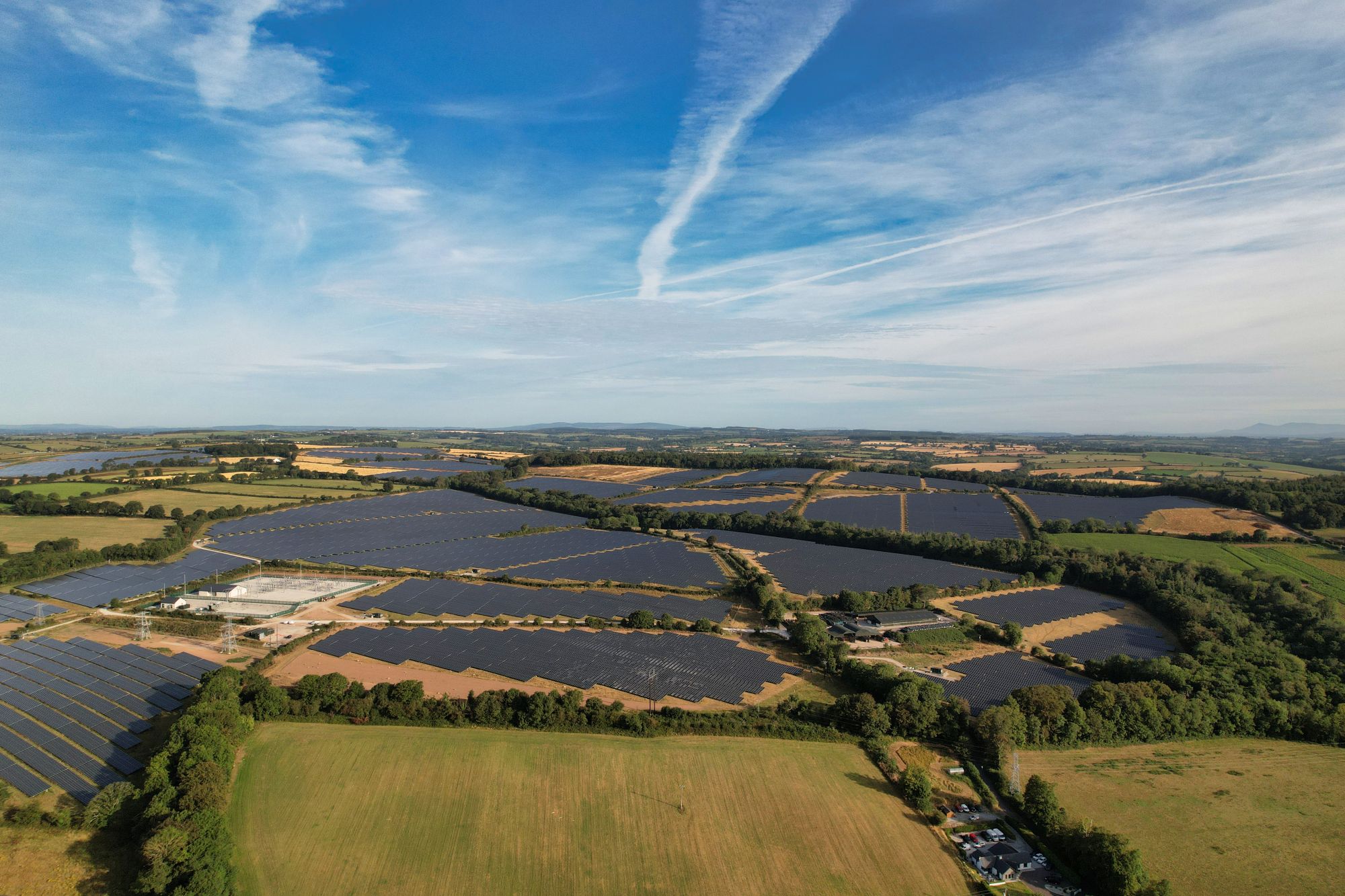
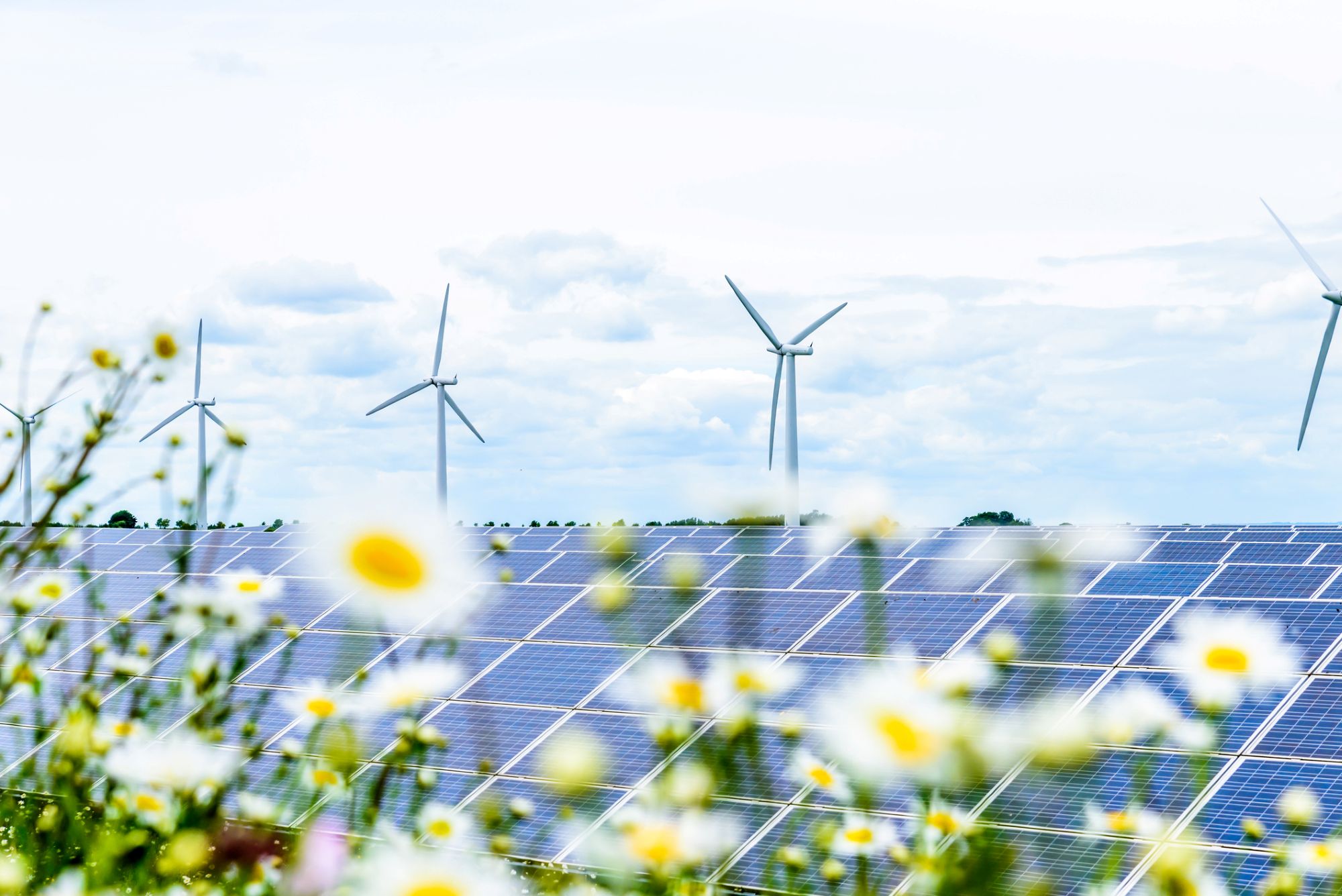
Ireland has an advantage because of its wind resources. Yet, increasing volumes of renewable electricity are being constrained or curtailed because the system lacks the flexibility to absorb and use the power being generated. Every unit of renewable electricity that cannot be used is wasted and lost value for consumers.
LDES allows Ireland to capture renewable electricity and make it available when demand rises. This means more renewables on the system, lower emissions and more efficient use of infrastructure.
Because of its strategic importance, plans need to reflect the ambition required. Industry had expected the first proposed LDES auction being run by the Transmission System Operator (EirGrid) to target 201-300MW but remain hopeful that this will increase. While it is a welcome first step, it should, at the very least, align with the Government’s own Electricity Storage Policy Framework guide volume of 500MW.”
LDES allows Ireland to capture renewable electricity and make it available when demand rises
Strategy to meet storage targets
History has shown it can take time to establish and run auctions. If EirGrid are not ambitious enough in terms of volume for the first round, the risk that Ireland deviates even further on climate targets increases, and our ability to integrate high levels of renewables on the grid in an efficient, secure and stable manner is jeopardised.
Statkraft believes that the target volume for the first procurement round should be 1GW, with an additional 1GW in the second round. Storage projects can take years to develop, finance and construct. Decisions made today will determine whether Ireland has sufficient flexibility in the early 2030s, when renewable penetration is expected to be at its highest. Restricting volumes now risks creating a bottleneck that could undermine our wider energy ambitions.
Policy frameworks to support long-term deployment
Frameworks such as RESS and DS3 helped establish the country as a leader in renewable system integration, attracting substantial interest in storage technologies. When policymakers provide long-term certainty and credible market signals, investors respond.
Government, regulators and system operators should establish a clear route to market with more ambitious scale and volume, provide visibility and certainty on future procurement and develop a long-term deployment roadmap extending beyond the first auction. The success of RESS demonstrates the value of consistency, transparency and forward planning. Storage requires the same treatment.
Necessity for long-duration energy storage now
Statkraft has extensive experience developing and operating storage and flexibility assets. It recently delivered Ireland’s first four-hour battery project and is constructing four synchronous condenser projects across the island to help strengthen power system stability.
Industry is ready, capital is available, and the technology is capable. What is needed now is a procurement framework and policy environment that matches Ireland’s future needs. Long-duration energy storage is no longer a future requirement but an immediate necessity.