 businessnews.ie
Future of Construction
-
s Sponsored
How technology has changed construction project delivery
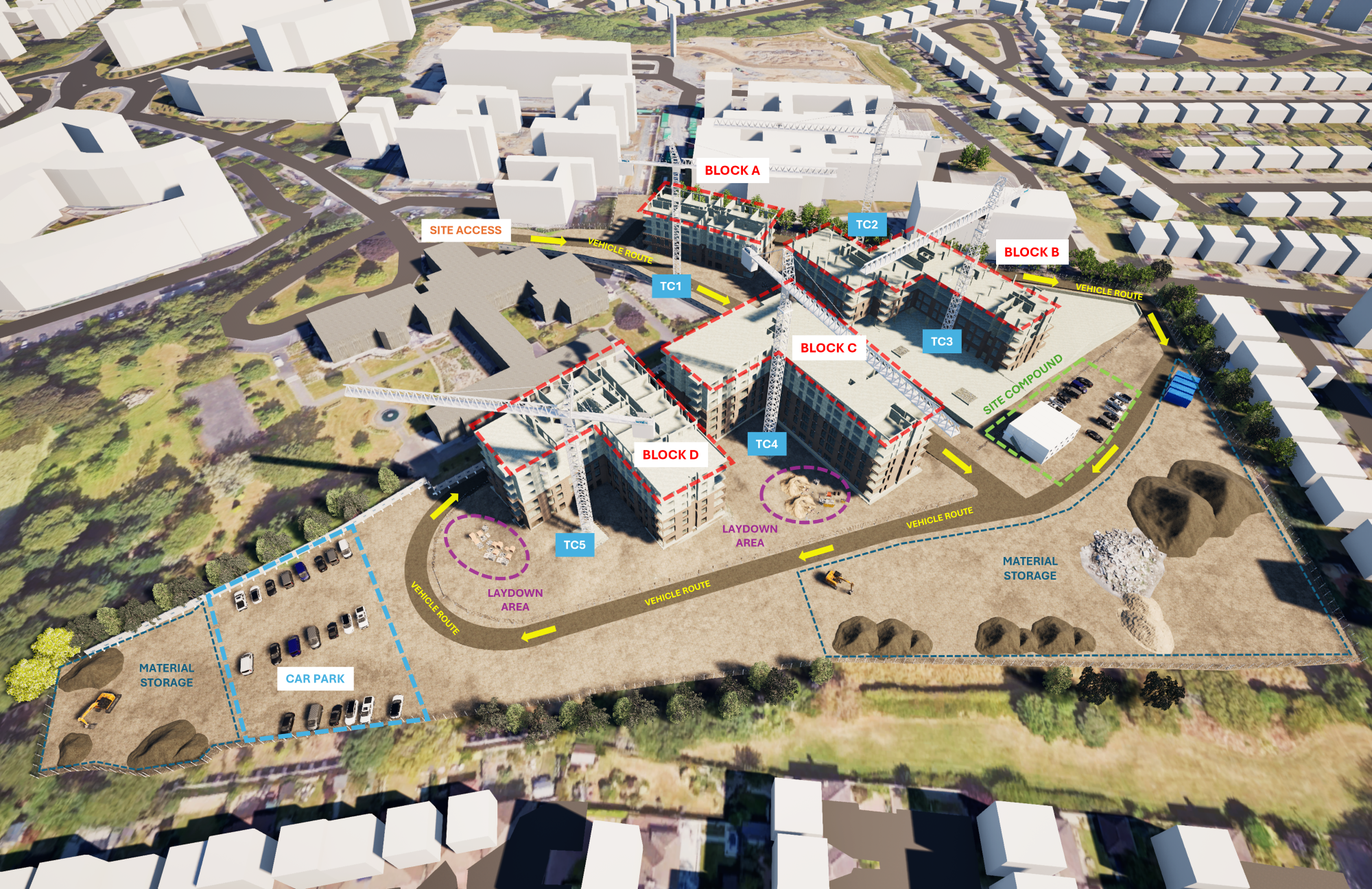
Digital project delivery within construction has changed drastically. Digital technology is no longer a ‘nice to have’ but a necessity. 1. How has digital project delivery evolved, and why is it now central to modern construction? Technology is constantly evolving and changing how we work. Recent innovations like Building Information Modelling (BIM) and 3D models...
-
To deliver infrastructure, we need the people to do it
The challenges we face in infrastructure delivery can be surmounted, but we need the people to do it. Newly published Government action plans have laid out both the systemic reasons for the inadequate supply of new housing stock and infrastructure, and approaches to speed up their delivery. These public policy analyses are timely interventions that...
-
s Sponsored
How innovation is building efficiency and sustainability into construction
Giving construction professionals a broader range of innovative solutions and services will make their jobs easier and construction projects more efficient and sustainable. For 90 years, Gyproc has supported the Irish construction market, and today, innovation and modern methods of construction (MMC) are reshaping that support more profoundly than ever. By combining Gyproc products with...
-
s Sponsored
How different green initiatives bring sustainable change to construction
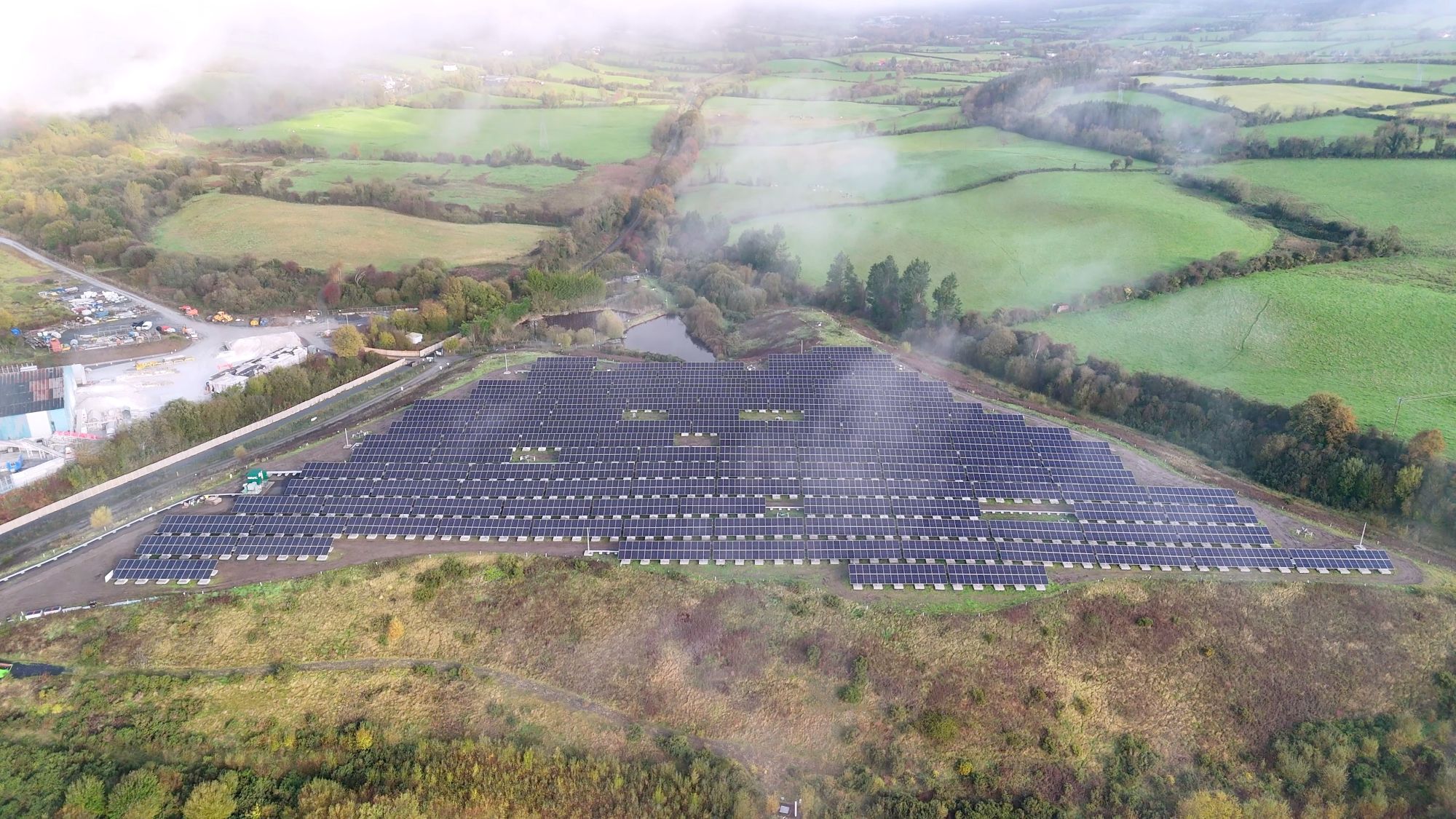
Construction industry stakeholders are looking for partners who promote sustainability measures such as recycling schemes, shorter supply chains and on-site energy generation. As Ireland’s construction industry faces growing pressure to decarbonise, stakeholders are seeking partners who can deliver genuine sustainability, not just through products, but across the full value chain. It’s a challenge Saint-Gobain is...
-
s Sponsored
Shaping the future: how innovation and partnership are lowering carbon in construction
One organisation is driving low-carbon, high-performance construction through data, innovation and partnership. Ireland’s construction landscape is changing rapidly, shaped by the push for sustainability, faster delivery and proven performance. As regulations tighten and carbon targets increase, project teams need solutions that are reliable, tested and tailored to real-world conditions. Saint-Gobain’s role is to support the...
-
s Sponsored
How one school is transforming built environment education
As Ireland’s construction sector faces growing demand for skills, sustainability expertise and digital capability, the role of higher education has never been more critical. The School of the Built Environment at Atlantic Technological University (ATU) is emerging as one of Ireland’s most progressive providers of construction, engineering and architectural education. Emphasising real-world learning, digital innovation...
-
s Sponsored
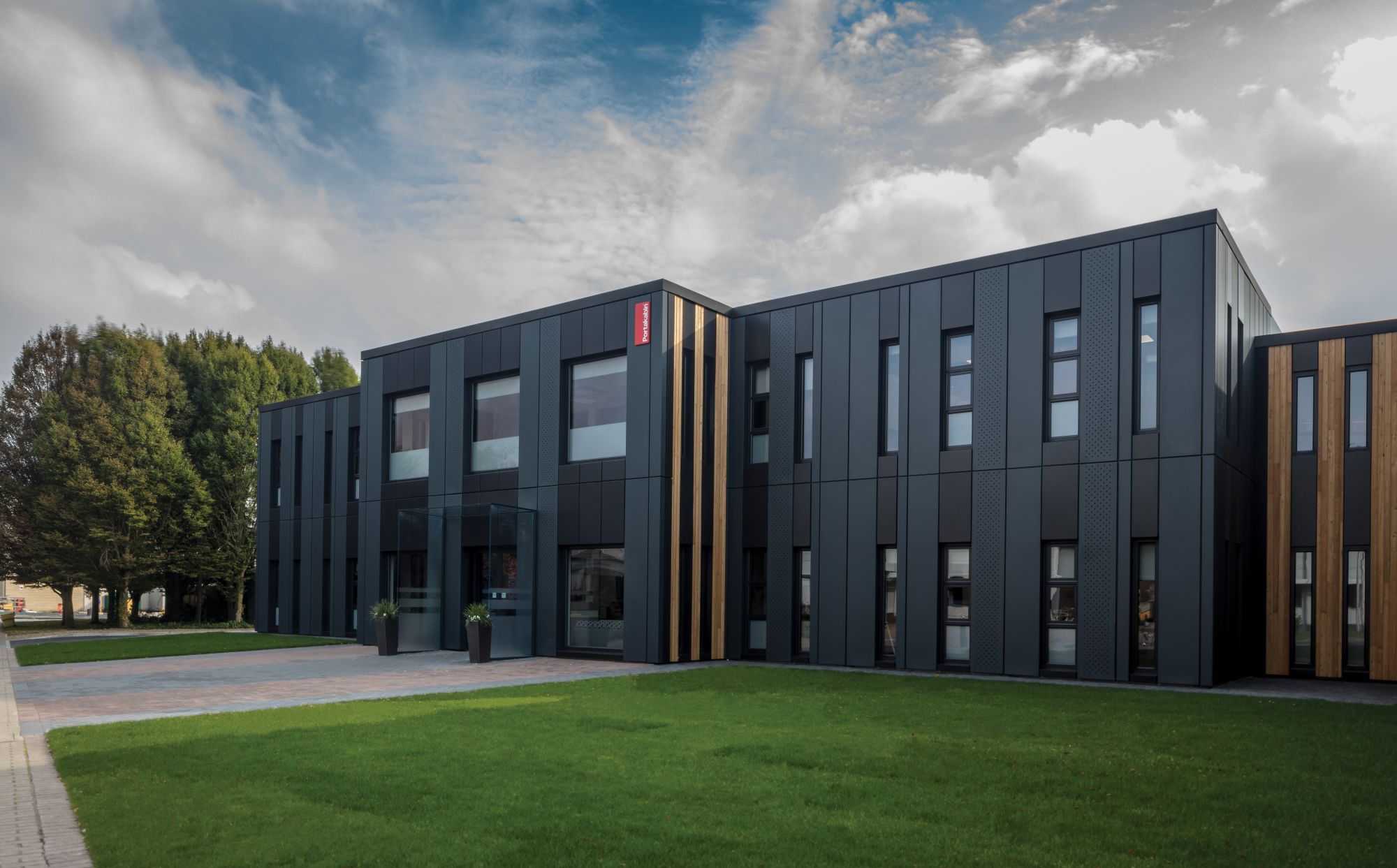
Built differently: why modular construction must lead Ireland’s housing response
From homes to transport, modern methods of construction offer Ireland a faster, smarter way to meet urgent national demand. Housing demand in Ireland continues to outpace supply, adding pressure on rental markets and social housing delivery. Simultaneously, the State is progressing major infrastructure projects such as the new MetroLink. Both challenges share a common question...
-

Relatable role models and technology help inspire future careers in construction
Learn how one organisation is leveraging creativity and technology to encourage future careers in construction. The Construction Industry Federation (CIF) is dedicated to showcasing the benefits of a construction career for the next generation. To help advance this goal, CIF supports Maynooth University’s STEM Passport for Inclusion, a programme designed to address unequal access to...
-

Designing Buildings That Use Less and Deliver More
Over the next few years, Ireland will implement significant changes to regulations governing new buildings, which will affect how we measure the climate impact of construction. From 1 January 2028, anyone building a new building larger than 1,000 m² will be required to report its whole-life-cycle emissions. By 1 January 2030, all new buildings will...