businessnews.ie


Matt Onland
New Market Development Manager, Portakabin
From homes to transport, modern methods of construction offer Ireland a faster, smarter way to meet urgent national demand.
Housing demand in Ireland continues to outpace supply, adding pressure on rental markets and social housing delivery. Simultaneously, the State is progressing major infrastructure projects such as the new MetroLink.
Both challenges share a common question – not just how much we build, but how we build. Traditional construction methods, while proven, were not designed for the scale and speed now required. As demand rises and delays continue in delivering the government’s ‘Housing for All’ strategy, the question is how to provide homes within the necessary time scale.
Modular construction offers a credible solution by shifting key elements of the build process into controlled factory environments, reducing weather-related delays, improving quality assurance and delivering much-needed accommodation where it’s required most, often within weeks.
As Ireland tackles the housing crisis while investing in major national infrastructure, the innovative approach offered by modular accommodation can play an important role
The growing challenge of the housing shortage
Ireland’s housing shortage has placed immense strain on emergency accommodation providers. Latest figures show 17,112 people were living in emergency accommodation in January 2026, including 5,319 children – the first time homelessness exceeded 17,000. Over the previous year, numbers rose by nearly 12%, highlighting the growing pressure on Ireland’s housing system.
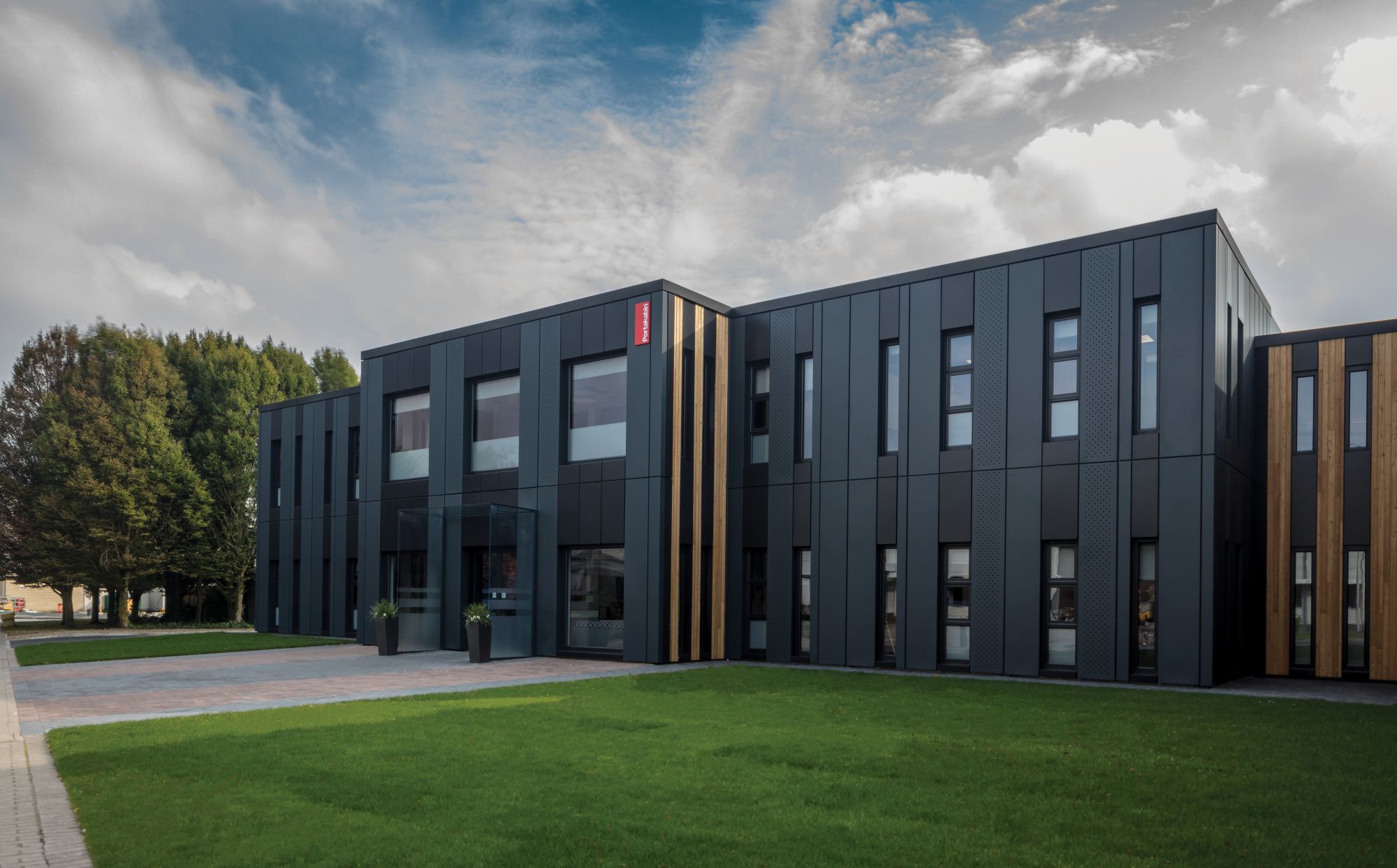
Portakabin is helping address housing pressures through high-quality, temporary modular accommodation delivered rapidly where needed most. These spaces provide safe, permanent-quality homes with the dignity of a private front door, allowing local authorities to deploy, relocate or remove them as demand evolves.
Major infrastructure investment and workforce needs
Meanwhile, Ireland is entering a period of major infrastructure investment, including the delivery of the 19-kilometre MetroLink, linking Swords to Dublin city centre. It will require around 8,000 workers during construction, with thousands more across supply chains and supporting industries. Experts estimate Ireland may need up to 80,000 additional construction and infrastructure workers.
Providing high-quality sleeping accommodation close to major project sites would help support these workforces and reduce pressure on already stretched local housing markets. Modular accommodation can be installed rapidly near infrastructure projects and remain in place for the duration of construction before being relocated and reused elsewhere.
“The flexible hire offering from Portakabin means buildings are not simply temporary structures but adaptable assets that can be redesigned, renovated and repurposed as demand changes,” said Matt Onland, Portakabin Ireland’s New Market Development Manager. “By combining speed of delivery with long-term quality, modular accommodation can support both social housing responses and infrastructure delivery across Ireland.”
As Ireland tackles the housing crisis while investing in major national infrastructure, the innovative approach offered by modular accommodation can play an important role.