

Charlie McGee
System Operational Manager, EirGrid
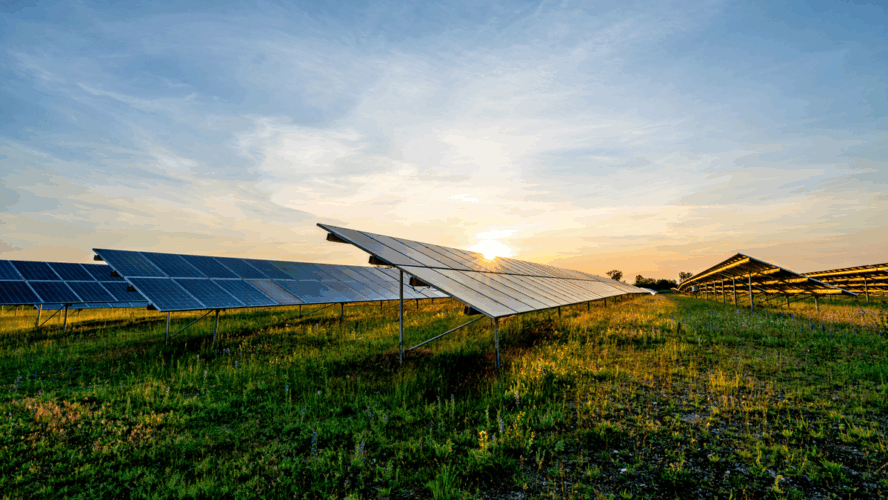
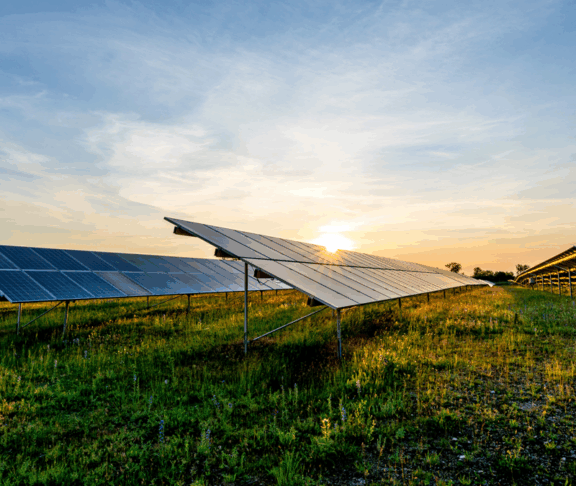
Ireland isn’t renowned for its sunshine, but solar is powering more and more electricity on the grid.
Charlie McGee is System Operational Manager at EirGrid, the operator and developer of Ireland’s electricity transmission grid. He outlines some of the trends being seen by the National Control Centre, where EirGrid is responsible for balancing electricity supply and demand every minute of the day.
Record solar generation growth
While wind continues to be the most significant contributor to renewable electricity in Ireland, an increased rollout of grid-scale solar resulted in new records being set in May, June and July of 2025. By July of this year, the solar energy output for 2025 had already surpassed the solar energy output for the entirety of 2024 (January – December), illustrating the year-on-year growth.”
“The overall percentage for solar power remains small, but it is growing, marking an evolution in our fuel mix. In May, for example, solar represented 6.5% of electricity generated for the month, compared to 2.7% in May 2023,” explains McGee.
“We saw our most recent peak of 798 MW (megawatts) set at 3 pm on Wednesday, 9th July. This was up 30 MW from the previous record and 75 MW higher than the same time last year. It’s important to note that this data does not include rooftop (embedded) solar.”
Up to 75% of electricity can come from
renewables at any one time in Ireland,
which is high by international standards.
Grid upgrades for renewables
“While it doesn’t necessarily need to be sunny to produce solar power, some of the peaks seen over the summer period typically occurred during periods of strong sunshine,” says McGee.
EirGrid is currently progressing the most ambitious programme of work ever undertaken on the transmission system in Ireland. This will see upgrades and new infrastructure right across the country.
He adds: “Continued investment in our grid and delivery of that infrastructure is fundamental to unlocking greater energy independence and security, enabling social and economic growth both nationally and regionally, meeting future needs and reaching renewable energy targets.”
From coal to renewables
In June this year, the end of Moneypoint’s coal operations made Ireland the sixth European country to end its coal use, as renewables continue to increase in the share of power generation. Currently, up to 75% of electricity can come from renewables at any one time in Ireland, which is high by international standards.
“Operating a power system with electricity generated from high levels of variable renewables, such as wind and solar, is complex and technically very challenging. Our priority is to ensure the grid remains stable and secure,” concludes McGee.
