

Paul Nicholls
Group Managing Director, Designer Group
Ireland’s construction sector is embracing modular manufacturing. Learn how this evolution could reshape the delivery of complex projects.
The Irish construction and engineering landscape is changing rapidly, with manufacturing principles increasingly influencing how complex projects are delivered. Modular and factory-based assembly are no longer niche approaches — they are becoming a central part of how large-scale infrastructure, data centres and energy projects are executed.
Investment towards improved delivery models
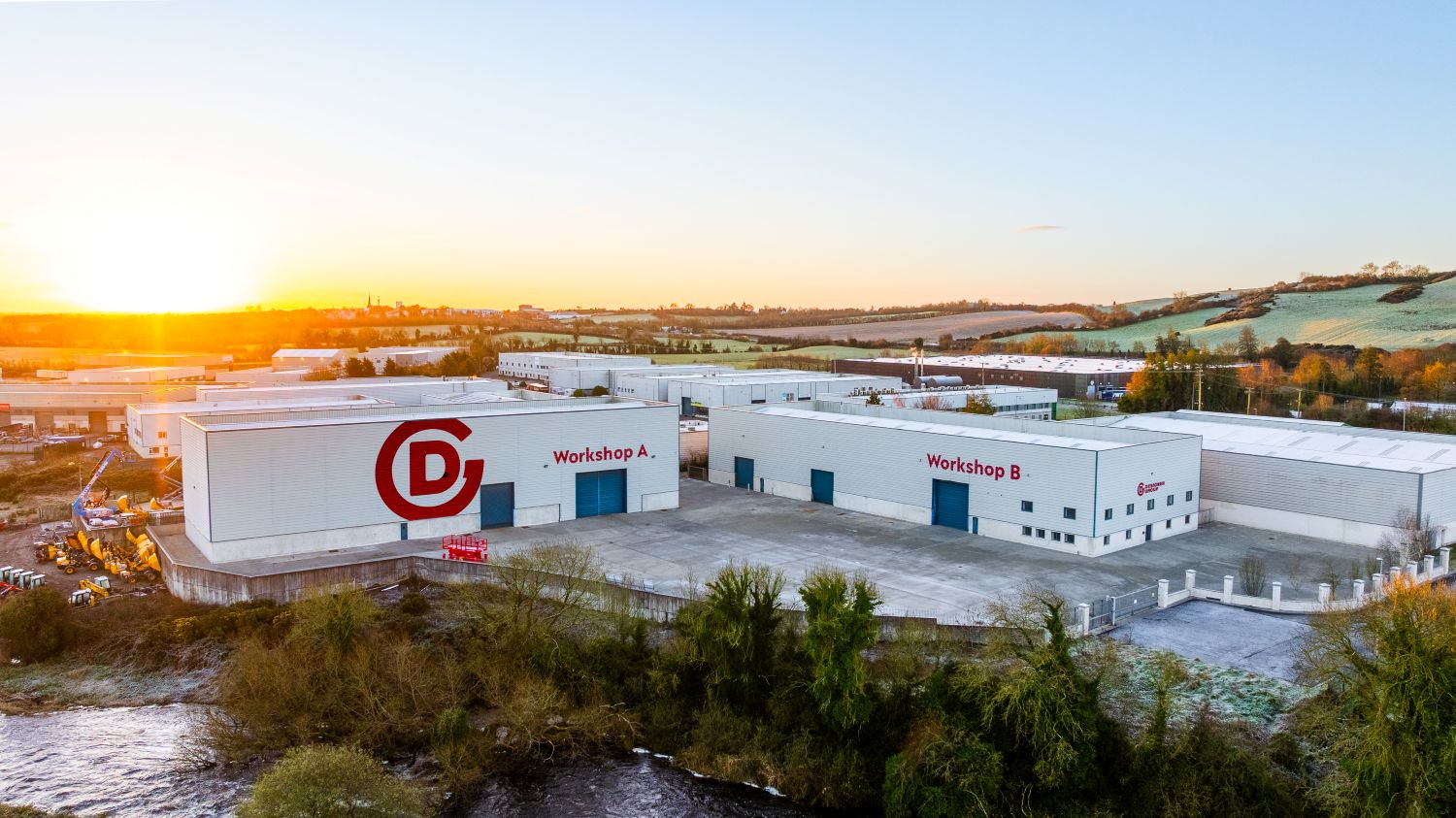
At Designer Group, we are embracing this transformation and have recently expanded our modular manufacturing capability with a new €10 million facility in Kells, Co. Meath. The investment reflects both our long-term growth strategy and a broader industry shift towards more efficient, sustainable and predictable delivery models.
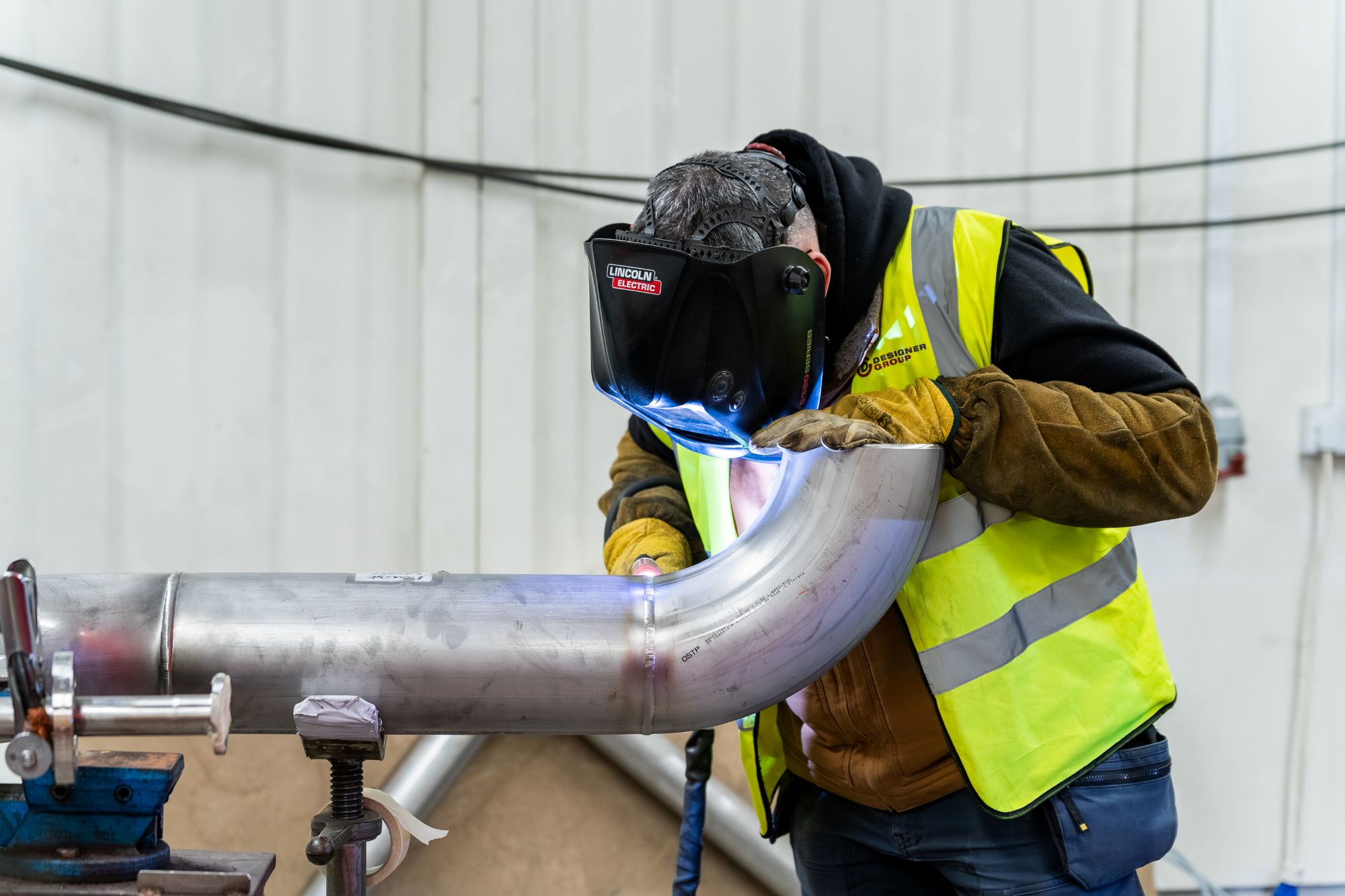
Rather than seeing modular manufacturing as a replacement for traditional construction, industry leaders are viewing it as an evolution that brings together precision engineering, digital design, higher and more predictable quality and advanced fabrication techniques. By manufacturing modules in a controlled environment, teams can reduce waste, improve safety and shorten installation times on site. For clients, this approach translates into greater cost certainty and reduced risk, two factors that have become essential in capital-intensive sectors.
Rather than seeing modular manufacturing as a replacement for traditional construction, industry leaders are viewing it as an evolution
Growing demand for modular manufacturing
The demand for these methods has grown significantly across the data centre, energy and pharmaceutical industries, where the scale and complexity of projects continue to rise. Modular manufacturing offers an effective response: higher repeatable quality, faster delivery and tighter integration between mechanical and electrical systems. It also supports sustainability goals by lowering carbon emissions through reduced transport, material efficiency and fewer site-based activities.
The new Kells facility will allow for the production of large-scale mechanical and electrical modules, pre-assembled plant rooms and specialist components designed for rapid installation. It is expected to create up to 75 skilled roles over the coming years, including positions in engineering, fabrication and logistics. Beyond the technical capabilities, this represents a wider commitment to regional job creation and skills development within the manufacturing and construction ecosystem.
As clients seek greater certainty in both programme and performance, the industry’s move towards manufacturing-led construction appears set to accelerate. The combination of digital design, data-driven project planning and modular delivery is helping companies manage complexity while improving environmental performance.
Designer Group’s investment is part of a growing trend across Ireland, one where engineering expertise, sustainability and innovation converge. For the country’s manufacturing and construction sectors, this evolution points to a future defined not by where projects are built, but by how intelligently they are delivered.
