

Sharon Higgins
Executive Director, Membership and Sectors, Ibec
As we close 2025, Ireland’s manufacturing sector remains the economy’s engine, employing over 240,000 people and contributing over €10 billion (36%) in corporation tax. However, economic shifts are increasing financial pressure on companies.
Our 2025 Manufacturing Report confirms a fundamental shift. Trade uncertainty is now the #1 challenge (59% of leaders), forcing a move to ‘Cautious Resilience.’ Overall confidence has dropped to 51% from 70% in 2024, driven by tariff threats and domestic costs.
Economic shifts causing manufacturers to rethink strategies
This drop in confidence signals a paradox: sentiment is down, yet corporation tax inflows remain at windfall levels, with ‘excess’ receipts for 2025 projected to be over €11 billion. This is widely seen as a ‘timing effect’ — a sophisticated, short-term strategy to ‘front-load’ activity into the US to hedge against tariff uncertainty.
This sentiment is deepened by a domestic cost squeeze, with 81% expecting wage growth and 64% expecting energy cost increases. Against an expectation of flat sales, the margin squeeze has seen expected profitability increases drop to just 18% (from 37%).
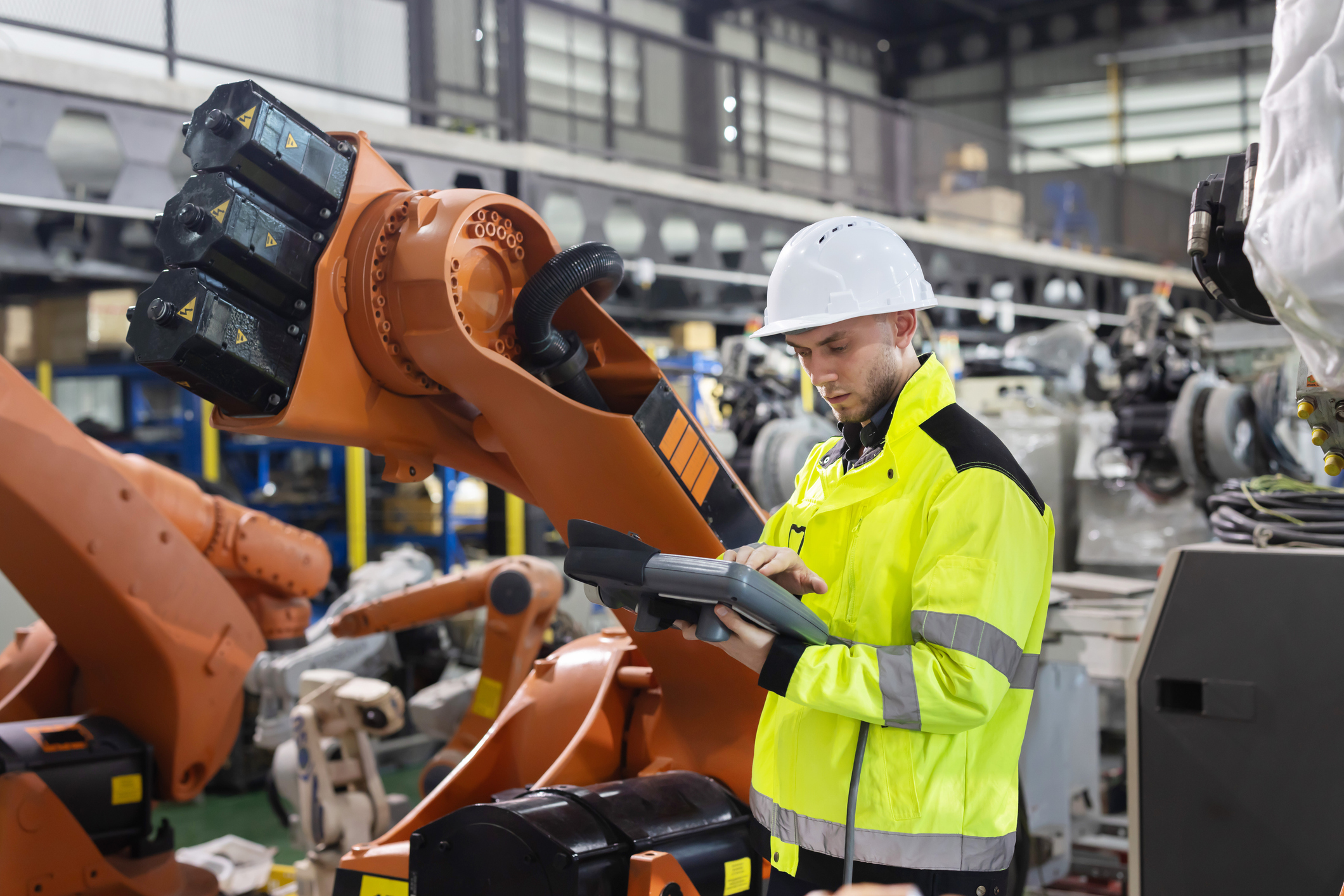
the sector is ‘controlling the controllables’: AI is now a priority for 52% of businesses,
with 97% planning adoption to improve efficiency
Financial squeeze halts investment and R&D
This challenging environment has forced a strategic pause on new capital investment (34%) and R&D (19%). Creating the conditions to unpause this vital investment is now a priority. In the interim, the sector is ‘controlling the controllables’: AI is now a priority for 52% of businesses, with 97% planning adoption to improve efficiency. This is the AI Imperative — a deliberate choice to automate and innovate to defend margins.
The sector is proving agile, but it cannot navigate these challenges alone. We commend the Government’s proactive response in Budget 2026, particularly the vital increase of the R&D Tax Credit to 35%. This policy win must be paired with urgent action on energy costs. We urge Government to fund the AI transition through Skillnet and Springboard+, mitigate costs via a PRSI rebate and use the forthcoming R&D Compass to expand qualifying expenditure.
To support our members directly, Ibec’s Tariff Hub provides expert intelligence to mitigate trade risks, while AI Hub delivers practical guidance for this crucial transition under our ‘Work Just Got Smarter’ campaign.
