
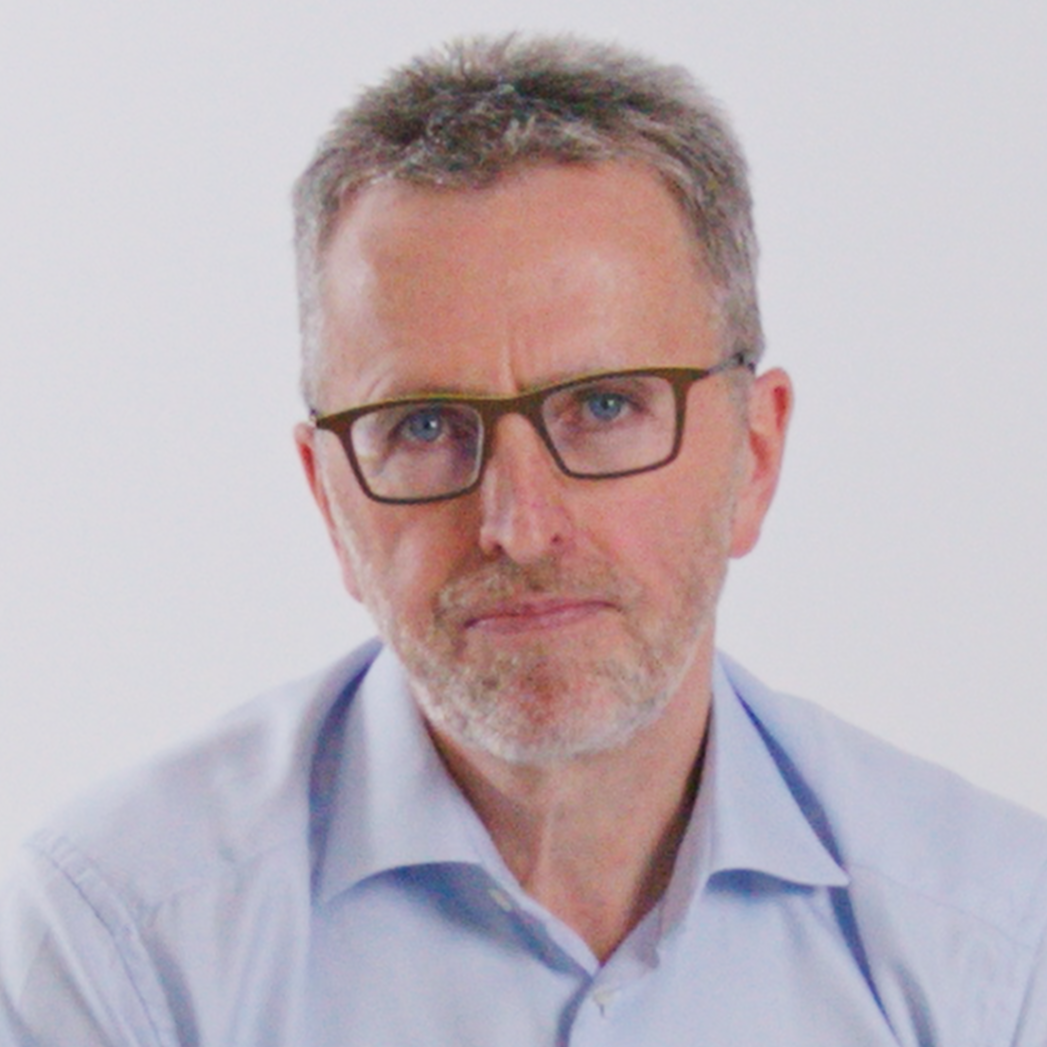
Mark Broderick
Procurement Director, Kingspan
Reducing embodied carbon in the built environment may be challenging, but industry collaboration, more sustainable production methods and better design standards can help drive real change.
The built environment is a big generator of carbon emissions, agrees Mark Broderick, Procurement Director, Kingspan Group. The sector accounts for 37% of all global energy-related greenhouse gas emissions, including 23% from operational carbon and 14% from embodied carbon.
Yet while operational carbon can be reduced with better insulation and energy efficiency measures, the problem of embodied carbon is embedded in everything from raw material extraction to manufacturing methods. Hence, it’s harder to tackle.
Broderick believes the sector’s long-term ambition must be to make “energy-positive buildings” the standard, with high-performance insulation, low-carbon materials and circular construction practices. Achieving this will help to reduce the lifetime cost of the building – operational and embodied, as the cost of carbon continues to rise in the coming year.
Since 2020, the company has introduced a range of 43 lower-embodied-carbon products. Persuading the industry to scale its use of these solutions must be achieved as part of a broader value proposition. They can’t just be sold on their green credentials alone. “The whole package has to appeal,” he explains. “First, it’s about how a functional performance. Then aesthetic. Then, its price. Is it going to be super expensive compared to others on the market — or competitive? Then it’s about how it helps reduce operational and embodied carbon – considering the whole life carbon and cost of a building.
Close collaboration across supply chain
Kingspan has been focused on reducing its operational carbon. “We’ve made big progress on our 65% reduction target in scope 1 and 2 greenhouse gas (GHG) emissions,” says Broderick.
He adds, “Now most of our carbon comes from scope 3 — purchased goods and services, sitting upstream with our heavy industry suppliers. Last year, we saw a 4% reduction in raw material carbon intensity compared to our 2020 data.”
That embodied carbon is more difficult. Steel features prominently in the Kingspan product range — yet energy-intensive and heavy industry is responsible for a significant proportion of direct greenhouse gas emissions: 21% altogether, representing approximately 71% of all industrial emissions. Even more challenging, 8%-11% of industrial emissions come from iron and steel producers.
Therefore, the company knew that closer collaboration was needed across its supply chain to align on decarbonisation targets, improve data visibility and support suppliers in developing and adopting lower embodied carbon materials.
“In 2019, we started an annual forum where our key suppliers could meet with our sustainability and senior management teams,” says Broderick.
Breakthroughs have been achieved. The company’s insulated panels are now made more sustainably using steel from an electric arc furnace — as opposed to a blast furnace — resulting in a 20% carbon reduction. It’s also investing in a company pioneering the manufacture of steel using hydrogen instead of fossil fuels.
the sector’s long-term ambition must be to make “energy-positive buildings”
the standard, with high-performance insulation,
low-carbon materials and circular construction practices
Lower embodied carbon solutions are the future
But zoom out and, for the wider built environment, difficulties remain. For instance, accountability for whole-life carbon reduction is still too fragmented, so carbon considerations need to be embedded at the design stage, and better specification standards are needed. Plus, the financial incentives for reducing carbon are yet to offset the often-higher costs of lower embodied carbon materials.
The geopolitical situation has also slowed wider uptake. “Two years ago, there was a greater demand for lower embodied carbon products,” admits Broderick. “Because of the economic situation and higher energy costs, buyers globally are more focused on price than the environment.”
Also, there is a lot of confusion around embodied carbon — people don’t necessarily understand what it is. “They realise that insulation means warmer buildings and less energy,” says Broderick, “And they know what recycled content is. But there needs to be more education and communication about carbon generally.”
Nevertheless, he remains positive that lower embodied carbon solutions are the future. “There will always be challenges,” he says. “It may take a little bit longer to get there, but the strategy is clear — and the direction of travel hasn’t changed.
