
Patrick O’Donnell
CE Technologist, Irish Manufacturing Research (IMR) and Project Manager for Circular Shift, an Interreg NWE project
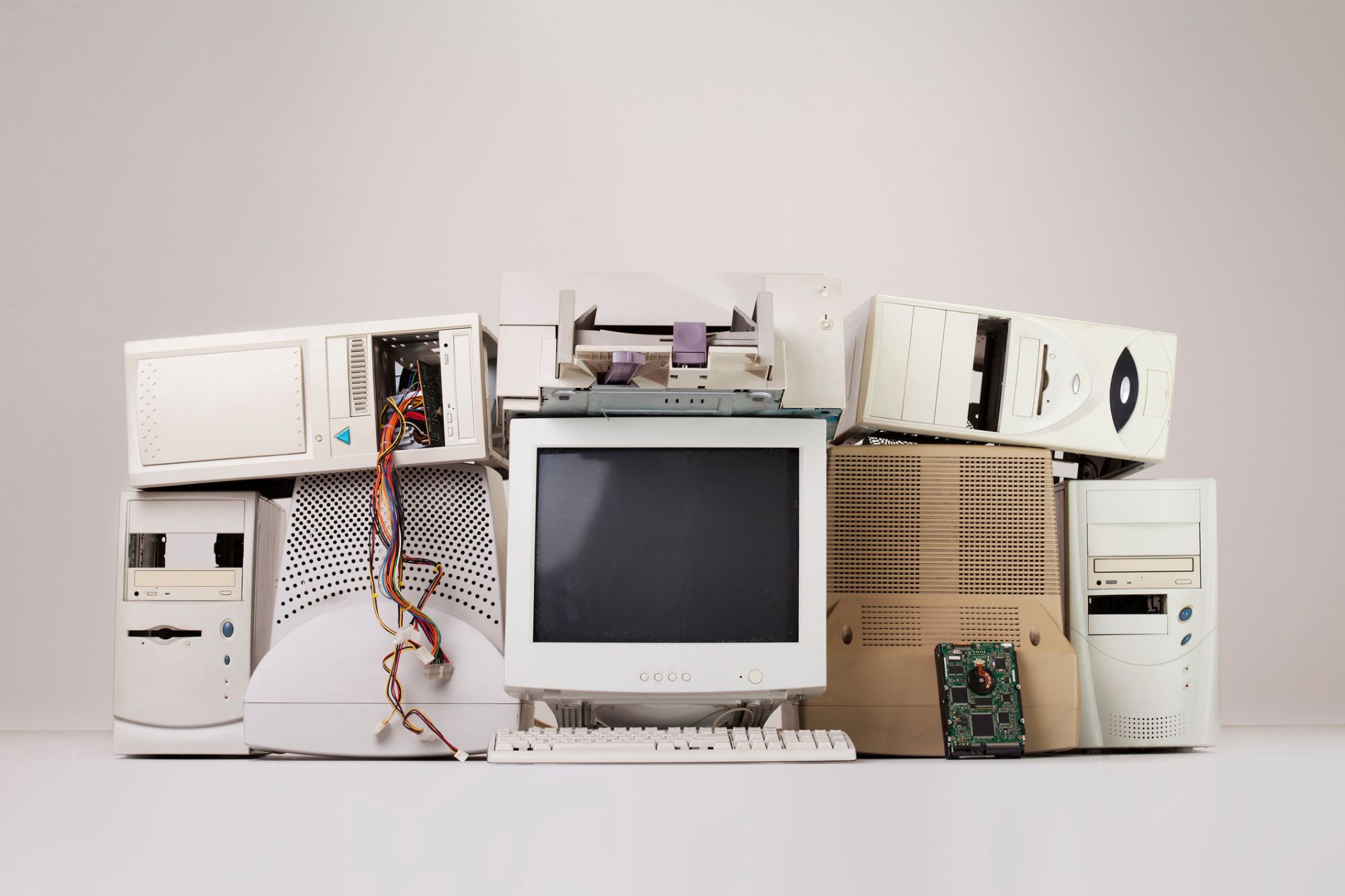
E-waste is the world’s fastest-growing waste stream, yet less than a quarter is recycled. Green Public Procurement helps secure goods that have a lower environmental impact throughout their life cycle.
Large quantities of resources are utilised throughout the life cycle of electronic equipment, including mining, manufacturing, transport, retail, consumption and disposal. Circa 31 million tonnes of metals were embedded in e-waste globally in 2022, with a value of US $91 billion.
The circular solution
Remanufacturing is the process of returning a used product to at least its original performance specifications, with a warranty that matches or exceeds that of a newly manufactured equivalent. It is “like-new” in terms of functionality and durability, with customers perceiving it as equivalent to new.
Ireland’s leading Green Public Procurement framework and impact
In 2024, Ireland’s Office of Government Procurement (OGP) launched a new ‘first-of-its-kind’ framework for public bodies to acquire remanufactured laptops. The €30million contract was granted to GreenIT and Circular Computing, specialists in remanufacturing enterprise-grade laptops. Approximately 60,000 could be procured during the term, potentially reducing CO2 emissions by 19 million kg, mined resources by 72 million kg and water consumption by 11 billion litres.
Remanufacturing is the process of returning a used product to at least its original performance specifications,
Driving broader EU adoption
Ireland’s OGP has created the procurement framework conditions to enable circular market building in the context of ICT/electronics; however, mainstreaming these circular procurement practices requires new ways of working.
In response, Irish Manufacturing Research (IMR) is leading the Irish pilot within Circular Shift (an Interreg NWE project), designed to drive market building for circular products and services across five EU countries. Irish associate partners include DCEE, WEEE Ireland and Sandyford Business District.
The project addresses three key barriers to scaling circular procurement: limited value chain coordination, lack of internal commitment and capacity and insufficient impact measurement tools. Eight procurement pilots across laptops, phones and workwear, underpinned by a value chain collaboration methodology, decision-making framework and impact dashboard, combined with bespoke training modules, will support the adoption of circular procurement best practices.
Interested in collaborating on a circular procurement pilot or shaping how public organisations buy, maintain and manage laptops? Contact [email protected].
