

Paul Crone
Director, National Association of Principals and Deputy Principals
Ireland’s redeveloped senior cycle represents a fundamental shift in how we prepare students for an increasingly complex, technology-driven world.
At the heart of this transformation is the additional assessment component (AAC), which moves beyond traditional written examinations to embrace more authentic, skills-based evaluation methods.
Senior cycle redevelopment in an AI era
The introduction of AACs across revised subject specifications signals a curriculum development approach that prioritises depth over breadth.
Rather than relying solely on terminal examinations, students engage in extended project work, practical investigations and collaborative tasks that demand higher-order thinking skills. This better reflects the real-world application of knowledge and cultivates the critical thinking capabilities essential for navigating contemporary challenges.
Digital literacy has emerged as a core competency woven throughout the redeveloped Senior Cycle. Students must demonstrate not only technical proficiency but also critical digital citizenship, evaluating online information, understanding digital ethics and using technology purposefully. The AAC framework provides authentic contexts for students to apply digital skills meaningfully, whether through research projects, multimedia presentations or data analysis tasks.
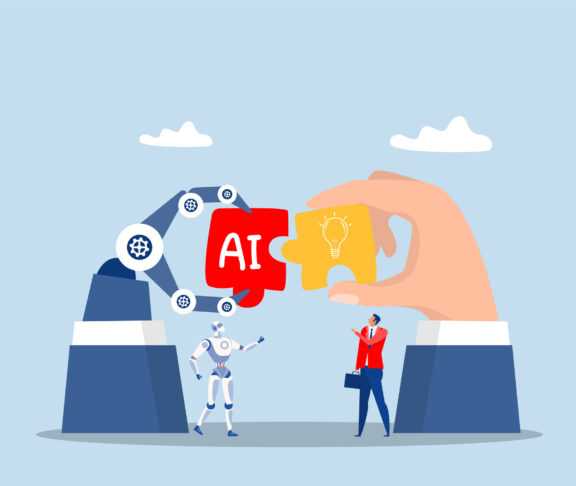
Schools must equip students to work alongside AI tools while maintaining human judgment, creativity and ethical reasoning
AI: opportunity and challenge for curriculum development
Schools must equip students to work alongside AI tools while maintaining human judgment, creativity and ethical reasoning. Critical thinking becomes paramount: students need to question AI-generated content, understand algorithmic bias and spot misinformation. The AAC model supports this by requiring students to justify methodologies, critique sources and defend conclusions, skills that cannot be outsourced to technology.
Curriculum developers must design assessments that are AI-aware without being AI-proof. The focus shifts towards assessing students’ thinking processes, creative synthesis and ethical decision-making rather than mere information retrieval.
Teachers become facilitators of inquiry, modelling how to leverage digital tools while exercising critical oversight. Incorporating this human interaction as part of the assessment and authentication process for the AAC is the key element to maintaining the integrity of our assessment process.
Ultimately, Senior Cycle redevelopment recognises that preparing students for an uncertain future demands flexible, transferable competencies. Through additional components that emphasise digital literacy and critical thinking, we cultivate learners who can adapt, question and innovate, essential attributes for thriving in an AI-augmented world.
