businessnews.ie


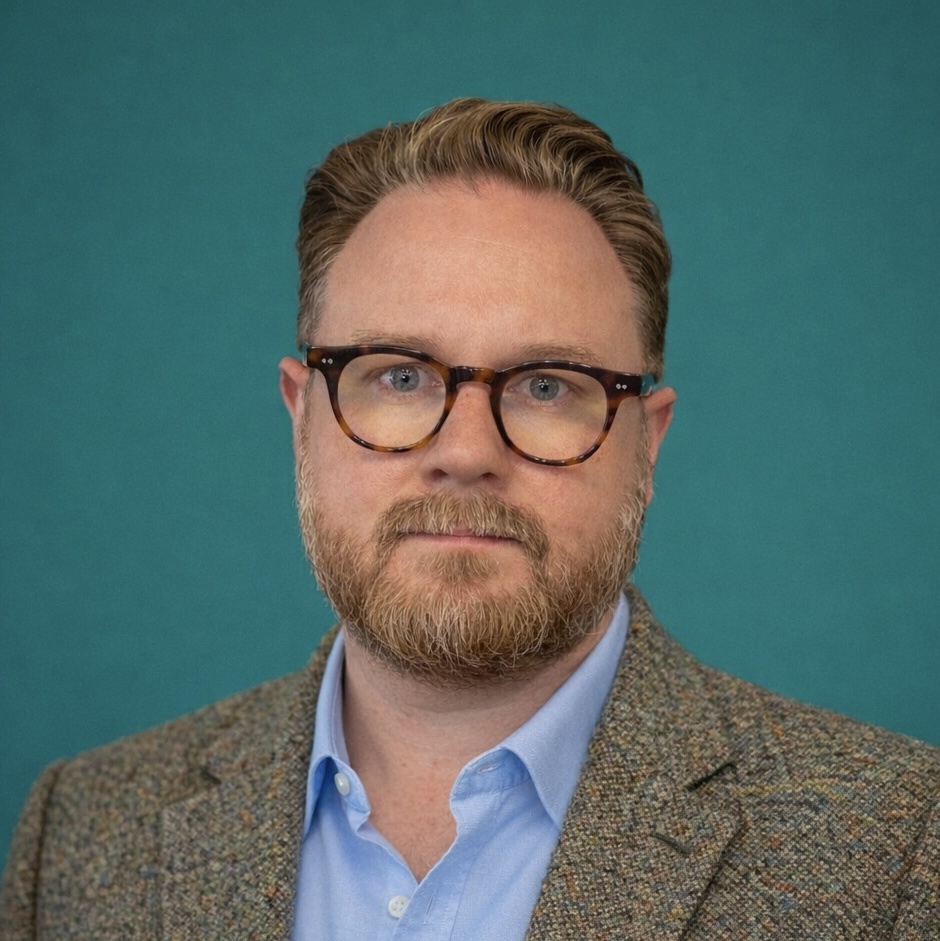
Colm Kelly
Director of FET, Education & Training Boards Ireland
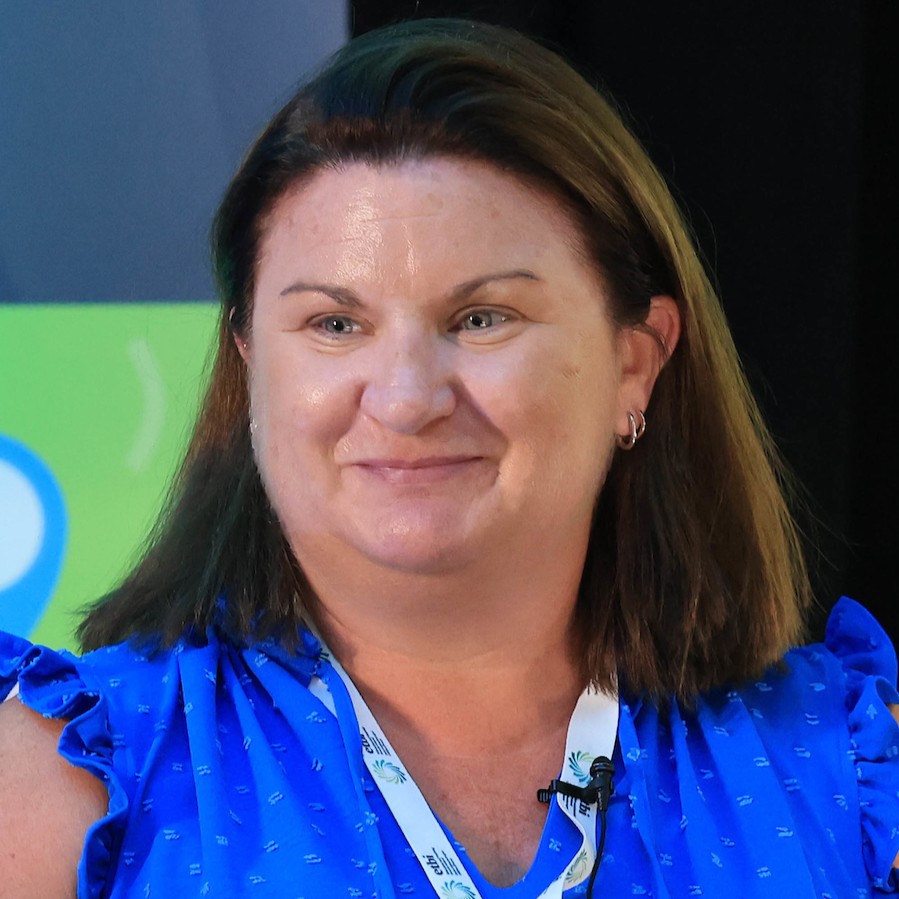
Gráinne O’Donoghue
FET Manager, Education & Training Boards Ireland
Across Ireland, access and inclusion are becoming defining priorities in education and training policy.
The direction of travel is clear: learning opportunities must be open to a broader range of people, delivered in more flexible ways and designed to support success for learners with different experiences, needs and ambitions.
This commitment is reflected in the National FET Strategy 2026-2030, Creating Futures, which sets out a vision for a modern, agile and inclusive further education and training system that supports learners at every stage of life.
Its emphasis on lifelong learning, social inclusion, progression pathways and future-ready skills reinforces the idea that expanding opportunity is central, not only to individual advancement, but also to stronger communities, renewed social solidarity and a more innovative, resilient and future-oriented economy.
Benefits of community education
One of the most important innovations has been the growing role of community education, not simply as a pathway into learning, but as a gateway to confidence, participation and possibility. Community-based provision offers local, welcoming and often less formal entry points for adults who may have had negative experiences of education in the past or who face barriers linked to cost, confidence, disability, caring responsibilities, migration status or unemployment.
The development of Ireland’s Community Education Framework and ongoing Reach Fund investment show how simplified pathways, outreach and wraparound supports can help learners take a first step, build confidence and progress into broader Further Education and Training opportunities. These models matter because they meet learners where they are, rather than expecting learners to fit rigid systems.
Varied progression routes
Innovation is also visible in the expansion of more varied progression routes. Ireland’s evolving tertiary landscape increasingly values access, transfer and progression between further and higher education, helping learners move through the National Framework of Qualifications in ways that are more transparent and achievable. This is especially important for learners who do not follow traditional school-to-college routes. Apprenticeships, work-based learning and shorter, skills-focused opportunities can provide practical alternatives that align learning with employment and regional development needs.
In this respect, the National FET Strategy 2026-2030 is particularly significant: it highlights the need to accelerate progress on progression pathways, embed universal design and strengthen collaboration across the education system so that learners can move more easily between community education, FET, higher education and employment.
Expanding access and inclusion is not a single initiative, but a long-term commitment to building a learning system that is flexible, welcoming and fair
Real inclusion requires reshaping learning environments
Inclusion, however, is not simply about opening the door; it requires institutions to reshape learning environments so that belonging, participation and success are built into the system itself. In Ireland, this can be seen in the growing policy focus on Universal Design for Learning, targeted supports for students with disabilities and more flexible service models across tertiary education.
National access measures are increasingly directed towards ensuring that students with disabilities, including students with intellectual disabilities, can participate in high-quality learning with appropriate supports and progression options. This marks an important shift away from seeing inclusion as an individual issue and towards seeing it as a responsibility of the system. When curriculum, assessment, digital platforms and learner services are designed inclusively from the outset, more learners can participate successfully.
For Ireland, the challenge now is to scale what works. That means sustaining investment in community education, strengthening local and regional pathways through ETBs and higher education partnerships, improving guidance at transition points and ensuring policy commitments translate into everyday learner experience. It also means listening carefully to learners whose voices are often the least heard.
Expanding access and inclusion is not a single initiative, but a long-term commitment to building a learning system that is flexible, welcoming and fair. If Ireland continues to invest in innovative pathways that combine quality, responsiveness and equity, it has the opportunity not merely to widen participation, but to shape an educational culture in which learning is recognised as a shared public good, a cornerstone of the social contract and a foundation for both individual fulfilment and collective flourishing.