
Betty-Ann Bryce
Senior Policy Analyst, Organisation for Economic Co-operation and Development
Rural areas will help power Ireland’s low-carbon future. Skills policy must ensure they also share in its economic benefits.
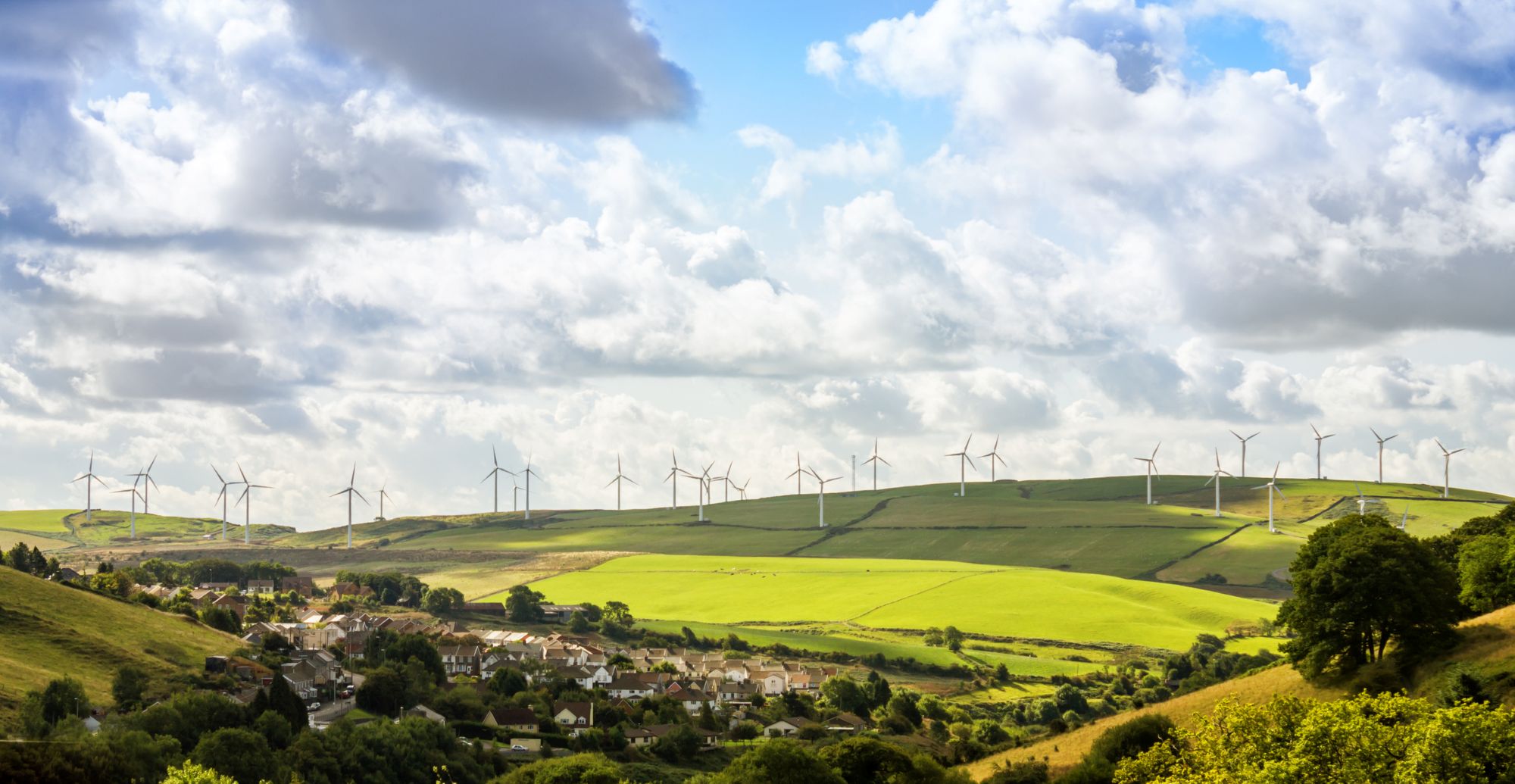
Rural Ireland is central to Ireland’s green transition. Wind farms, bioeconomy projects and circular economy initiatives are concentrated outside major cities, giving rural regions a clear role in the low-carbon economy. But without the right skills policy, rural communities may not capture the jobs and value this transition creates.
The green transition is spatial, but skills policy is not
If rural areas are expected to power Ireland’s green transition, they must also be enabled to benefit from it.
Preparing the rural workforce is key. As peat harvesting, fossil-fuel transport and traditional construction decline, workers will need pathways into retrofitting, renewable energy maintenance and sustainable agriculture. Yet Ireland already faces significant skills mismatches: around 31% of workers are under-qualified for their roles, and lower tertiary attainment and weaker lifelong learning participation further limit readiness for green jobs.
The problem is not capacity… the problem is geography
Ireland has a strong national skills system, but it is not sufficiently tailored to regional needs. Training should be locally designed, informed by local data and linked to the green opportunities emerging in each place.
Regional Technological Universities and Education and Training Boards should anchor local green skills ecosystems, connecting employers, training providers and innovation networks where transition pressures are already being felt.
If rural areas are expected to power Ireland’s green transition, they must also be enabled to benefit from it.
Training must reflect rural realities
Local training must reflect commuting patterns, seasonality and access barriers. That means bringing training closer to people, rather than expecting people to travel to it.
This could include modular learning during off-peak agricultural periods, mobile training facilities, digital hubs and faster routes for migrants and existing workers into green sectors.
Ireland cannot expect rural workers to adapt to the green transition if training systems remain designed solely through an urban lens and constrained by rigid delivery models. If rural areas are expected to power the transition, they must also be enabled to benefit from it.
