
Dr Patrick Sullivan
Deputy-CEO, National Council for Curriculum and Assessment
Children starting school today will grow up in a world very different from the one we knew. The new Primary School Curriculum has been developed to enable every child to thrive now and into the future.
For many parents, the question about the new curriculum is straightforward: What will my child learn in primary school, and how will it prepare them for the future?
To answer this, it is important to recognise that the world children are growing up in is changing rapidly. While strong foundations in language and mathematics remain essential, children also need to develop confidence, creativity, resilience and the ability to think critically, work with others, create with technology and adapt to new situations.
New Primary School Curriculum launched
Developed by the National Council for Curriculum and Assessment (NCCA), the new Primary School Curriculum will be introduced in schools from September 2026. It aims to support every child to thrive and reach their full potential, placing a strong emphasis on wellbeing, inclusion and learning relevant to our changing world.
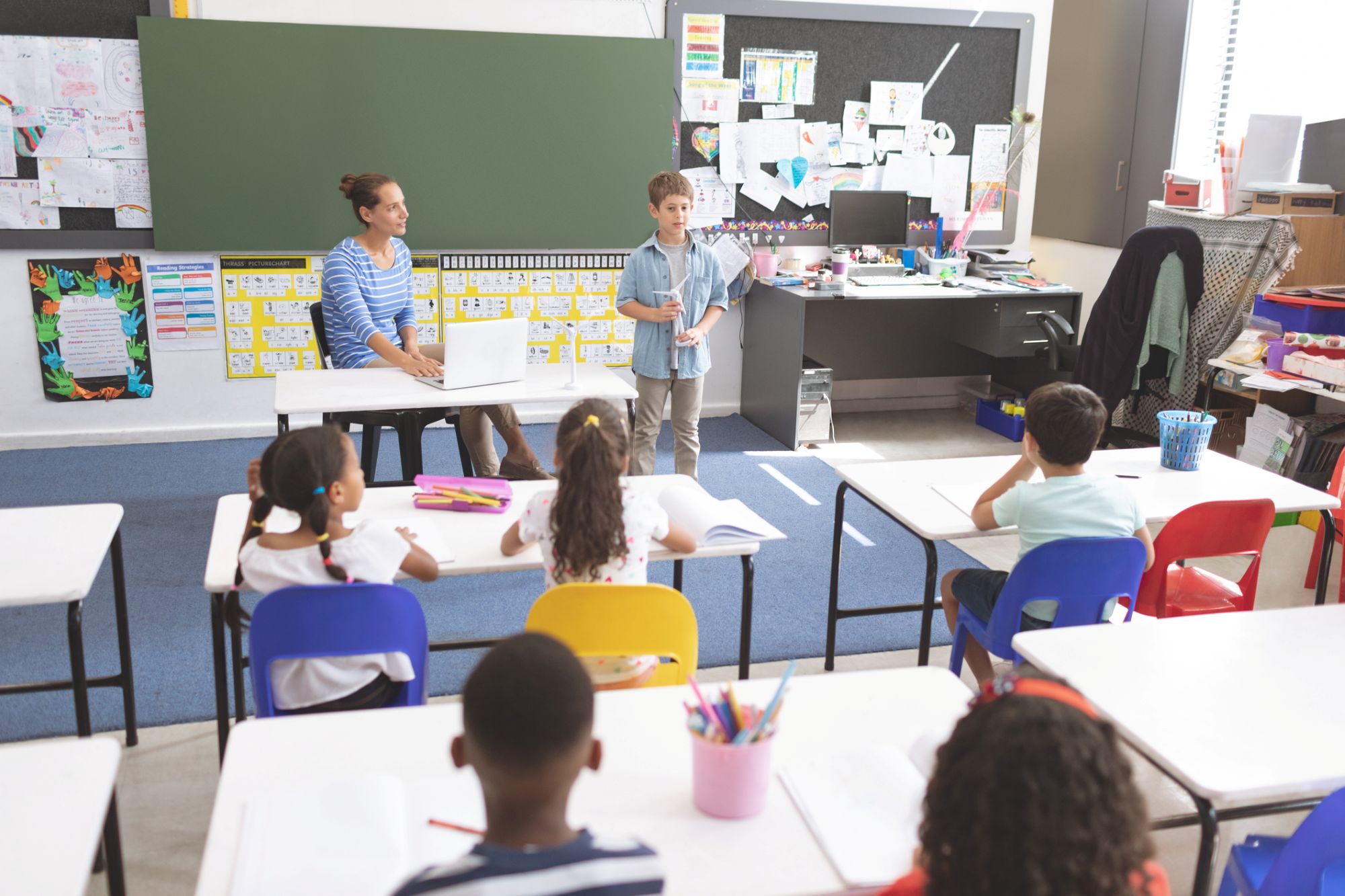
Children will learn in a more active way and be helped to make stronger connections across subjects. This reflects how they explore, question and make sense of the world around them.
it will ensure that every child leaves primary education with strong foundations and the confidence and capability to navigate an ever-changing world
Strengthening continuity in education
The curriculum also strengthens continuity across the education system. It builds on children’s early learning experiences in Aistear, supporting playful and collaborative approaches to learning. It also looks ahead, connecting with post-primary education by introducing and expanding aspects of learning, including STEM education, modern foreign languages, technology, religions, beliefs and worldviews and a greater variety in Arts Education.
Importantly, this is not a departure from what works well in Irish primary education. Our primary and special schools are places where children learn, feel safe, valued and supported, and where teachers are deeply committed to supporting every child.
Building on these strengths, the new curriculum will equip children for the opportunities and challenges of the future. In doing so, it will ensure that every child leaves primary education with strong foundations and the confidence and capability to navigate an ever-changing world.
