
Gillian Byrne
Head of Payments, Banking & Payments Federation Ireland (BPFI)
Smartphones are increasingly replacing physical cards as the preferred way to pay, as cash withdrawal activity declines
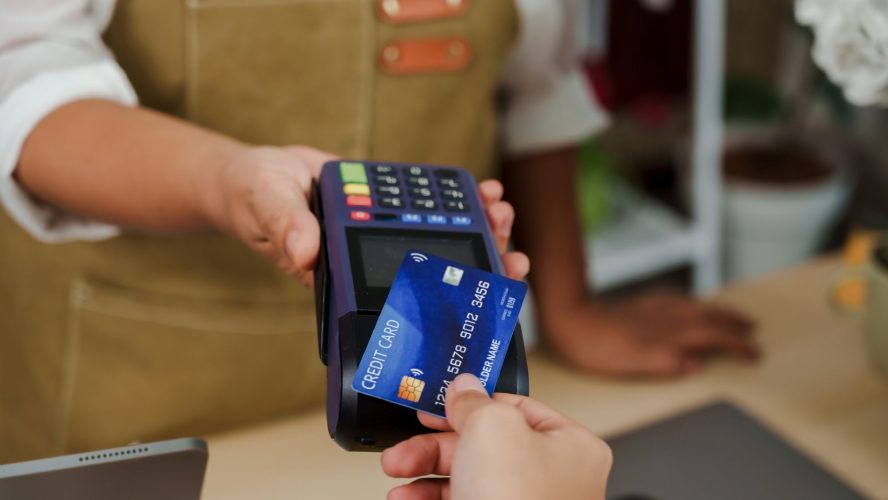
Contactless payments continue to grow in popularity among Irish consumers, with over 1.6 billion contactless point of sale (POS) payments valued at more than €30 billion made in shops, restaurants and other retail outlets in 2025.
According to recent BPFI analysis of data from the Central Bank of Ireland, this was an increase of 6.8% in volume and 12.6% in value compared to 2024, with contactless accounting for almost 90% of all domestic POS card payments.
Smartphones becoming preferred way to pay
Of the 298 contactless payments made per person on Irish cards in Ireland in 2025, 178 were made using mobile wallets, such as Apple Pay or Google Pay, highlighting how smartphones are increasingly replacing physical cards.
Meanwhile, cash withdrawal activity continued to decline. The number of cash withdrawals, including ATMs and cashback in shops, fell by over 7% year-on-year to 82.2 million, while the total value dropped by 4.2% to €12.2 billion. The shift away from cash is further underlined by the relative value of transactions. For every €1 withdrawn in cash in 2025, €2.46 was spent using contactless payments, up from €1.70 in 2023.
While cash will remain an important option for many, the convenience and security of contactless and mobile wallet payments are key drivers of their continued growth.
Cards increasingly replacing cash for in-person services
Cards are becoming more popular for in-person services such as eating out and drinking (restaurants and bars), personal care (barbers and beauty shops) and medical care (including doctors, dentists and opticians).
Card spending for these services increased from €7.4 billion in 2023 to €8.9 billion in 2025. European Central Bank surveys indicate that cards and mobile apps accounted for 39% of payments in restaurants in 2024, up from 15% in 2019, while the cash share of payments in restaurants fell from 84% to 57% over the same period.
As consumers continue to opt for quick, seamless and secure digital payment methods, SMEs stand to benefit from faster transaction processing, reduced cash handling requirements and improved payment visibility. While cash will remain an important option for many, the convenience and security of contactless and mobile wallet payments are key drivers of their continued growth.
