businessnews.ie

John Crosse
Supply Chain & Circularity Director, Saint-Gobain
Construction industry stakeholders are looking for partners who promote sustainability measures such as recycling schemes, shorter supply chains and on-site energy generation.
As Ireland’s construction industry faces growing pressure to decarbonise, stakeholders are seeking partners who can deliver genuine sustainability, not just through products, but across the full value chain.
It’s a challenge Saint-Gobain is determined to meet. “Our customers are actively looking for partners who promote recycling, circularity and sustainability,” says John Crosse, Supply Chain & Circularity Director. “Apart from the green imperative, there’s a cost imperative too.”
Saint-Gobain’s approach recognises that achieving low-carbon construction means transforming every stage of the supply chain: how materials are sourced, manufactured, transported and ultimately reused. “Decarbonisation isn’t one project, it’s how we design, source, manufacture, deliver and recover every day,” notes Crosse.
Changes that contribute to greener operations
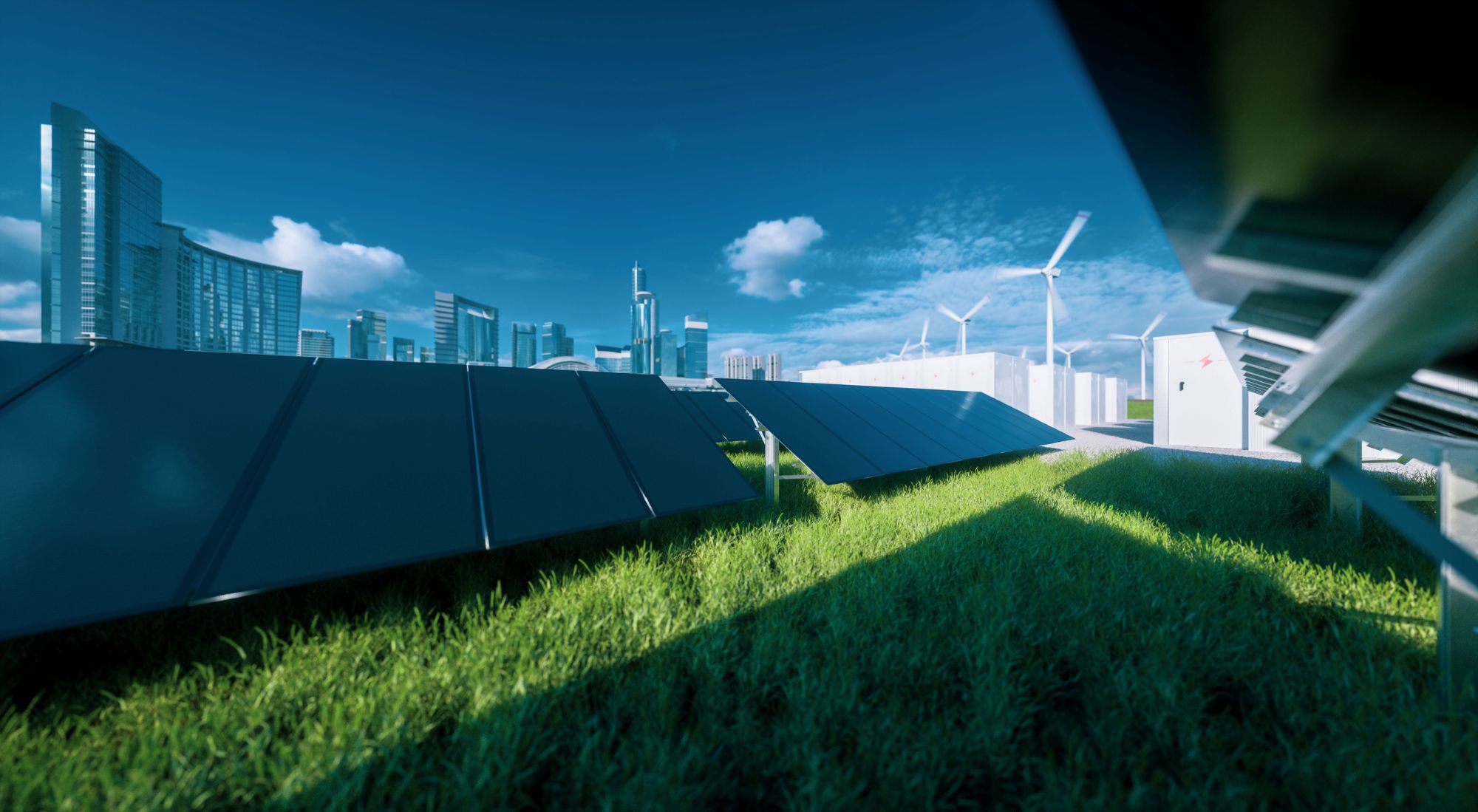
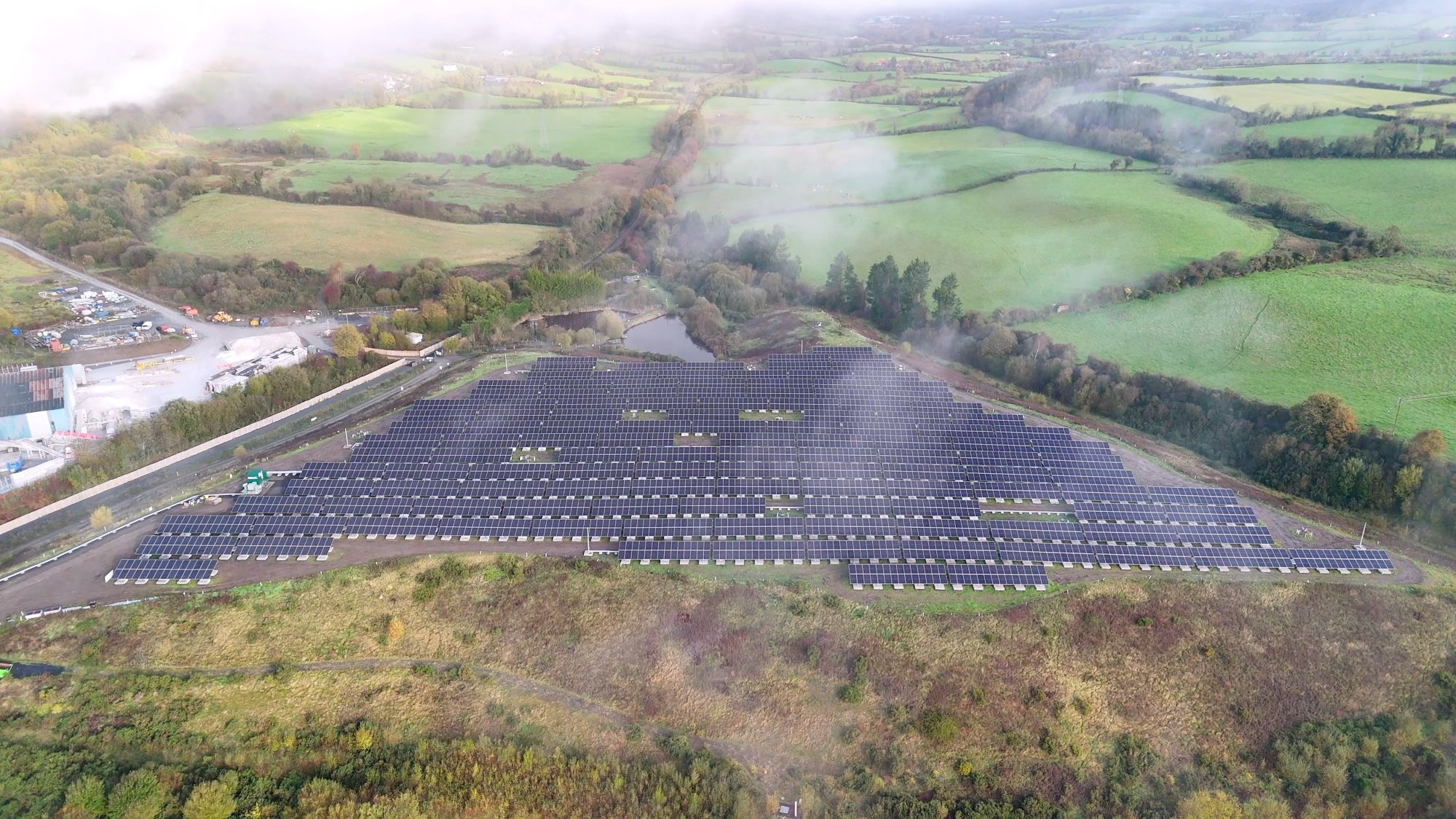
A major milestone in this transformation is the company’s behind-the-meter solar installation in Kingscourt, Co. Cavan. Developed with their partners Activ8 & SSE Airtricity, the 2.5 MW solar farm now supplies 15% of Gyproc’s electricity needs, generating renewable power directly where it is consumed. This model represents a practical blueprint for industrial decarbonisation across Ireland.
At the sourcing stage, Saint-Gobain is shortening supply chains and reducing transport emissions. A recent investment in a quarry extension secures a long-term local supply of gypsum, reducing reliance on long-haul imports and significantly cutting transport-related carbon. “We’ll be sourcing raw materials from our own local rock source, which will shorten our logistics and achieve a significant reduction in our CO² emissions,” says Crosse.
Saint-Gobain is also expanding circularity, turning waste into a resource
Lower-carbon transport and greener operations
Transport decarbonisation is another priority. Saint-Gobain plans to move 70% of all deliveries to HVO (hydrotreated vegetable oil) by the end of the year, while transitioning 20% of its own fleet from diesel to electric. “All of our forklift trucks will be electric or run on HVO by the end of 2026,” Crosse adds. These changes will play a major role in delivering the company’s 2030 commitments: a 33% reduction in Scope 1 and 2 emissions, and a 16% reduction in Scope 3 emissions.
Circular solutions that reduce waste and cost
Saint-Gobain is also expanding circularity, turning waste into a resource. Through its partnership with The Pallet Loop, pallets are now recovered and reused at scale, reducing site clutter, landfill and customer disposal costs. Waste gypsum collected from construction sites is remanufactured into new Gyproc plasterboard, meaning less virgin material is needed and a meaningful loop is closed. Meanwhile, Isover’s lower-ink packaging improves recyclability while enhancing on-site identification.
Product innovation is delivering carbon reductions, too. Saint-Gobain is working on several projects to reduce the amount of energy, water and raw material used in the manufacturing of our products. Gyproc are also preparing to transition to low-carbon steel, a shift Crosse describes as “a game-changer.”
With renewable energy, circular materials, cleaner logistics and collaborative innovation, Saint-Gobain is building a supply chain ready for Ireland’s low-carbon future and proving that sustainability and practicality can go hand in hand.